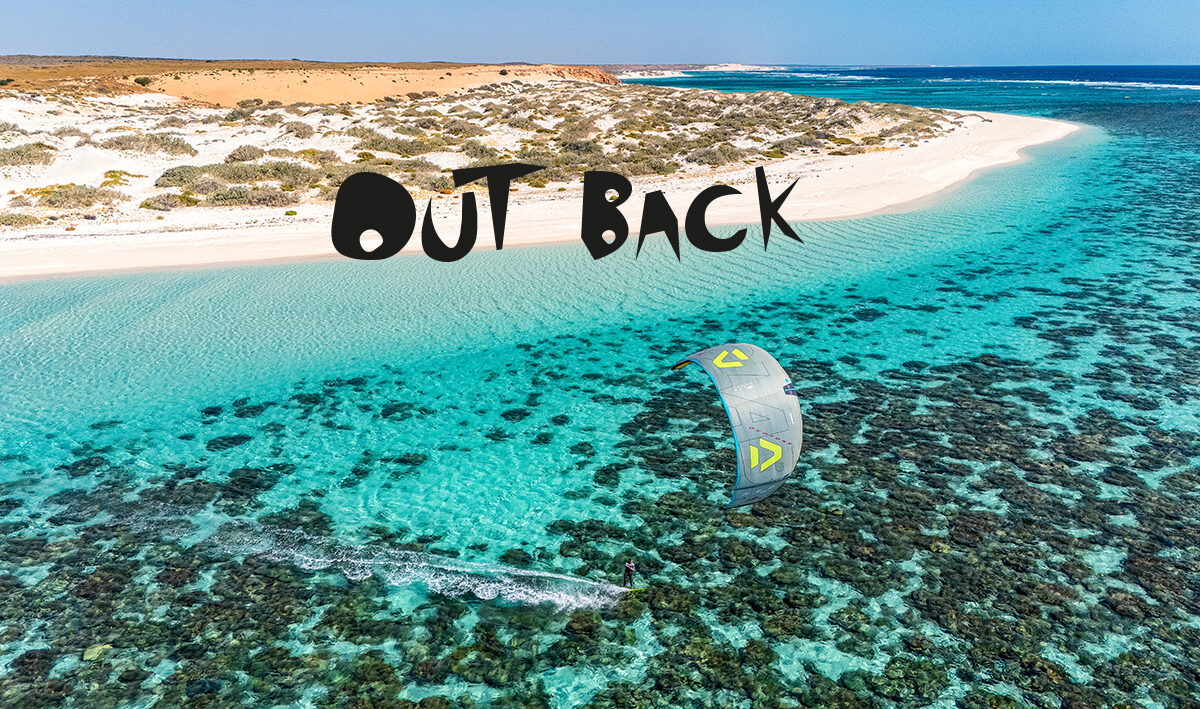
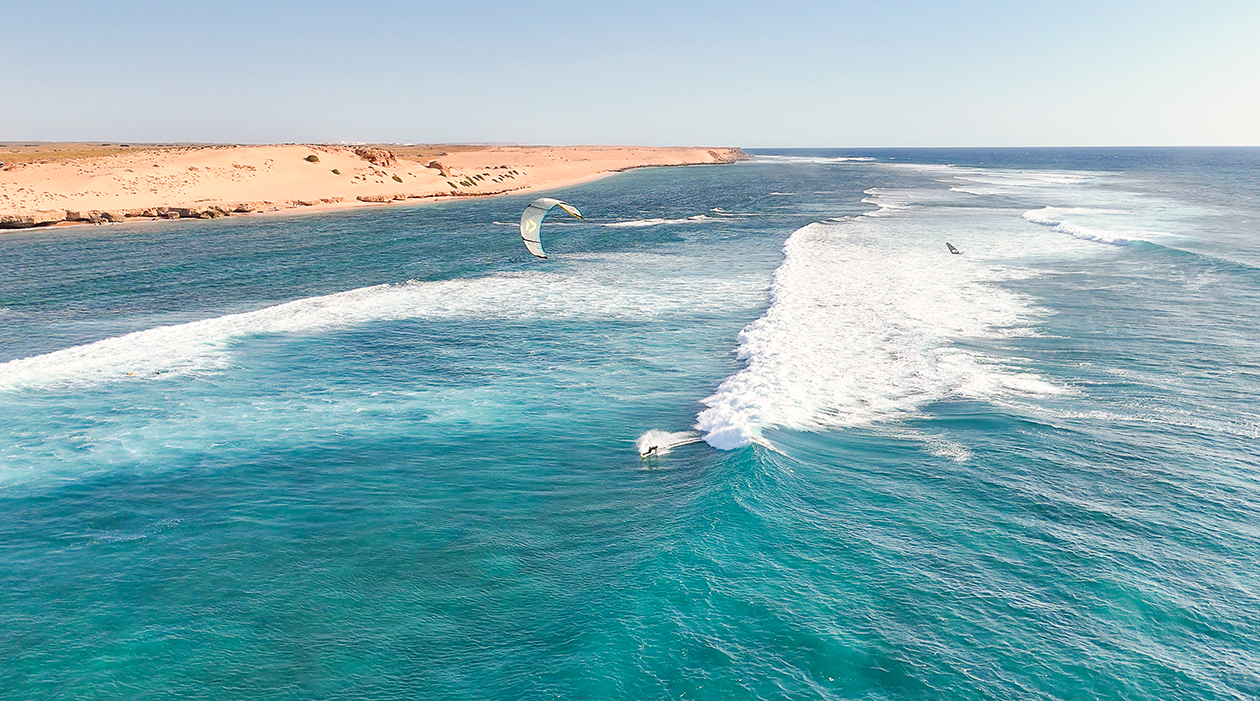
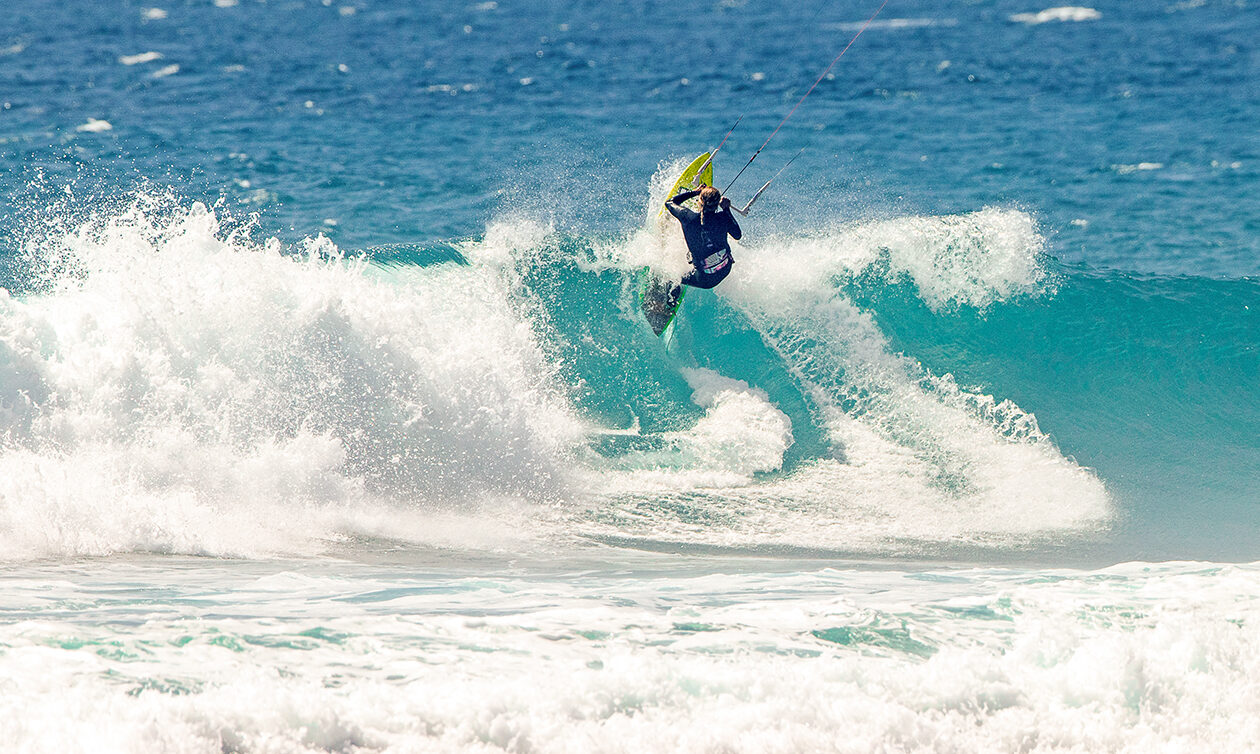
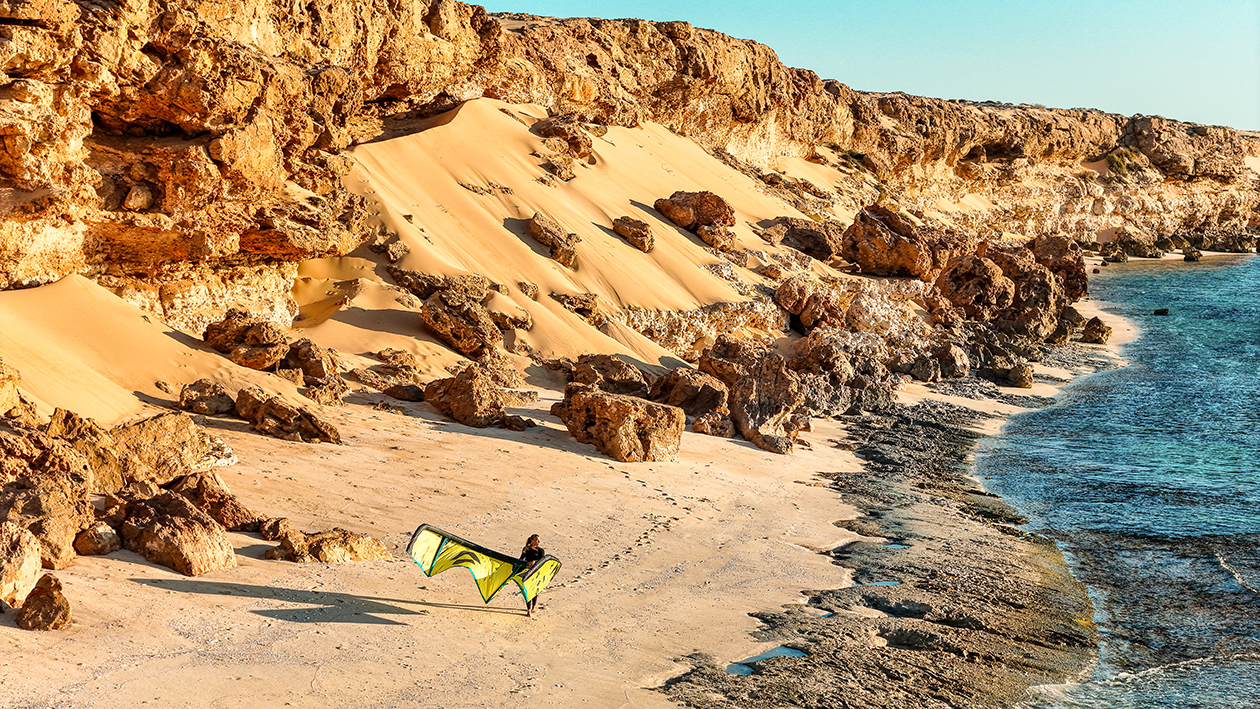
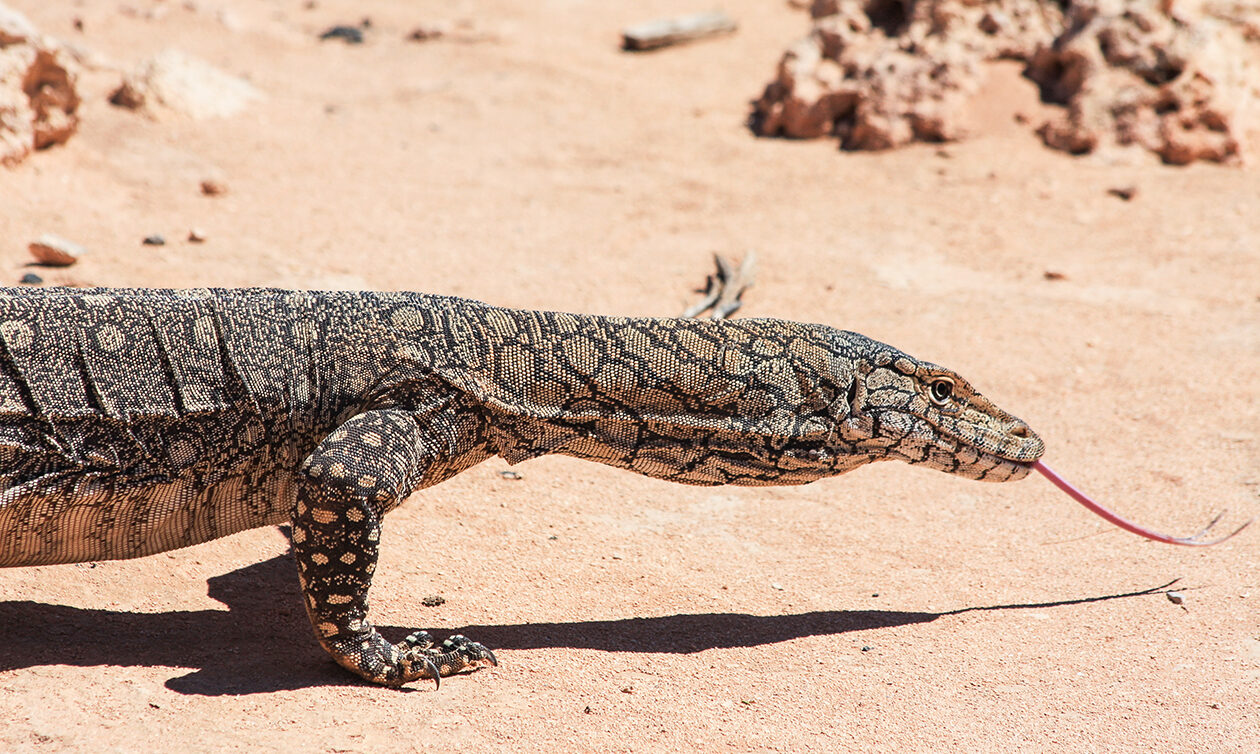
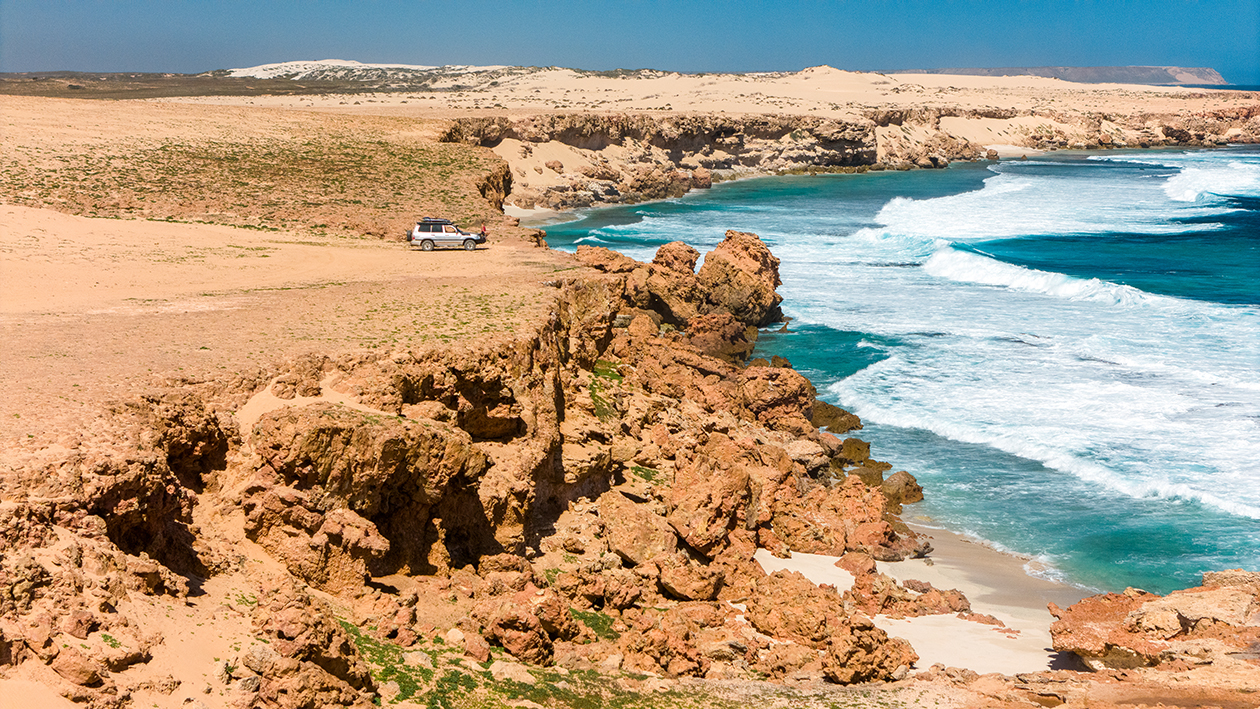
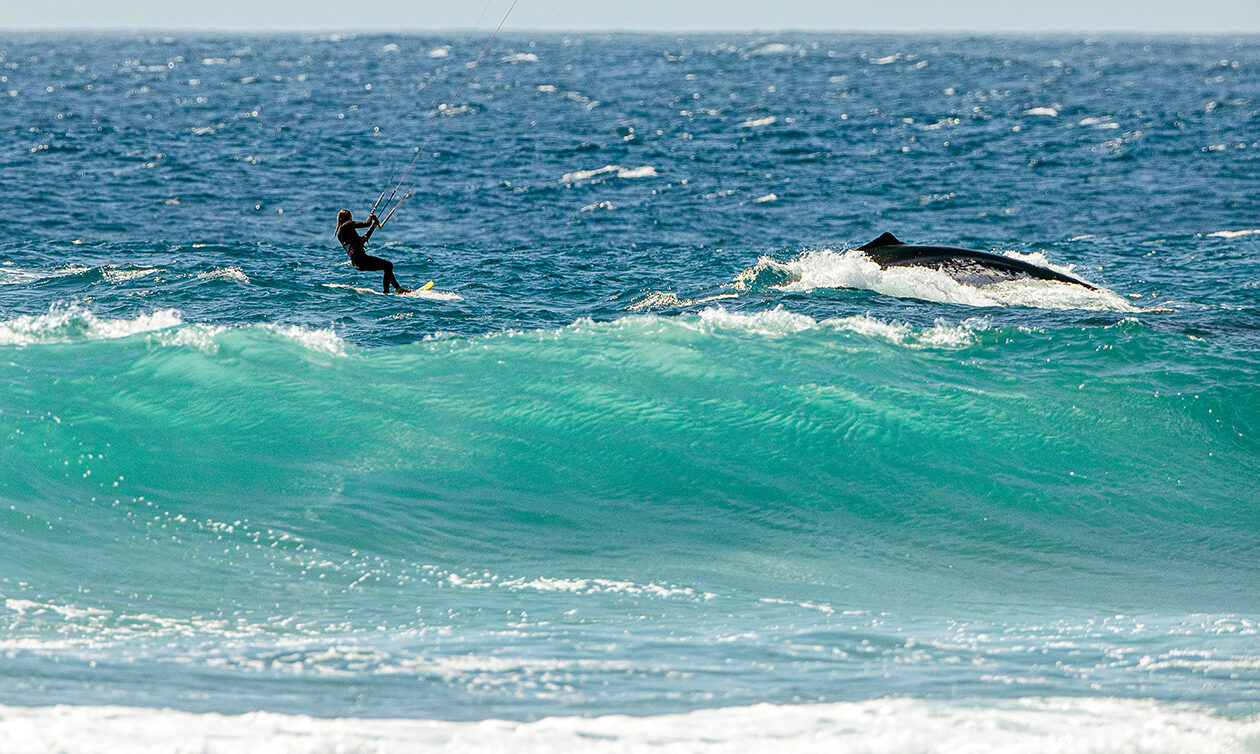
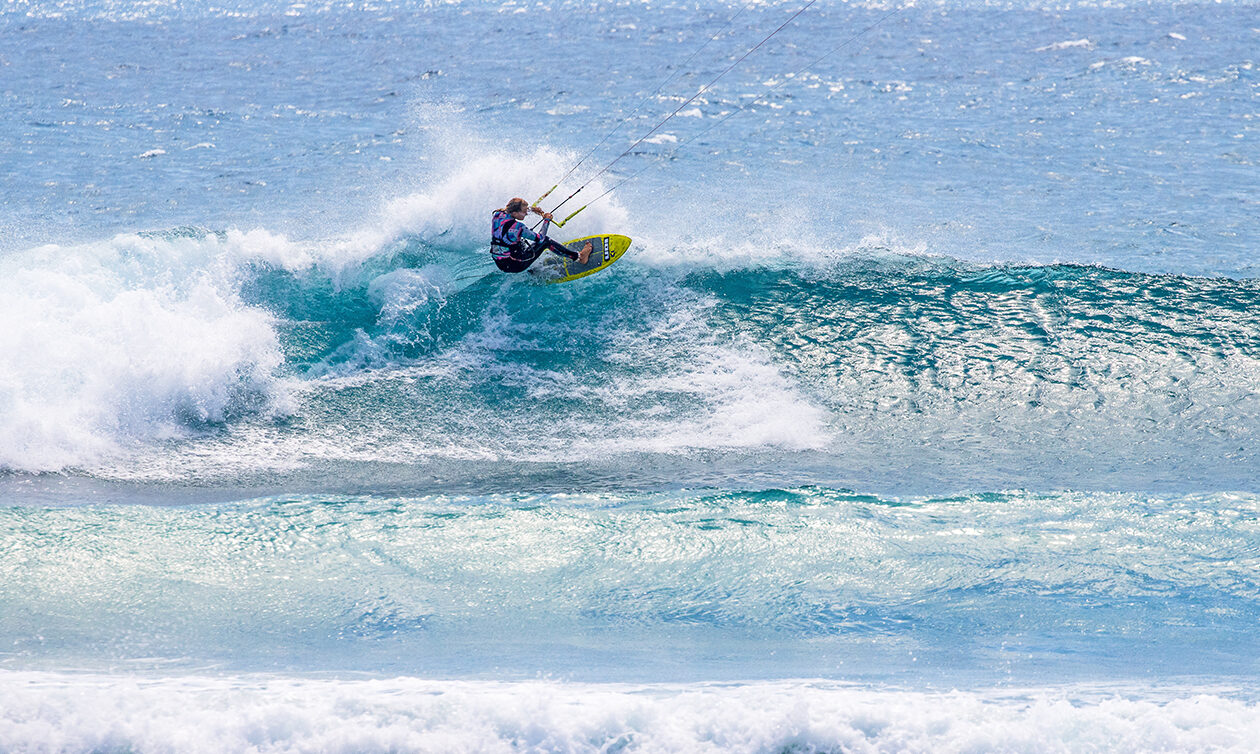
Western Australia (WA) is one of the oldest landmasses on Earth and, at 2.53 million square kilometers, also the country’s largest state. Out here, the words “remote” and “vast” take on a whole new meaning. The “Wild West” is a legendary playground for wave-lovers from around the globe, whether it’s surfing, kiting, windsurfing, foiling or SUPing. The Indian and Southern Oceans deliver steady groundswells year-round, rolling thousands of kilometers unbroken toward the coast. WA’s waves are powerful. Many of its surf spots are hardcore, often remote, and strictly regulated by locals. And the real locals shouldn’t be underestimated either – from countless shark species in the water to venomous reptiles and cheeky dingos on land. It’s not for the faint-hearted, but that’s exactly why this endless coastline with its world-class waves and raw, untamed nature, offers the ultimate adventure. The best way to experience it? A road trip.
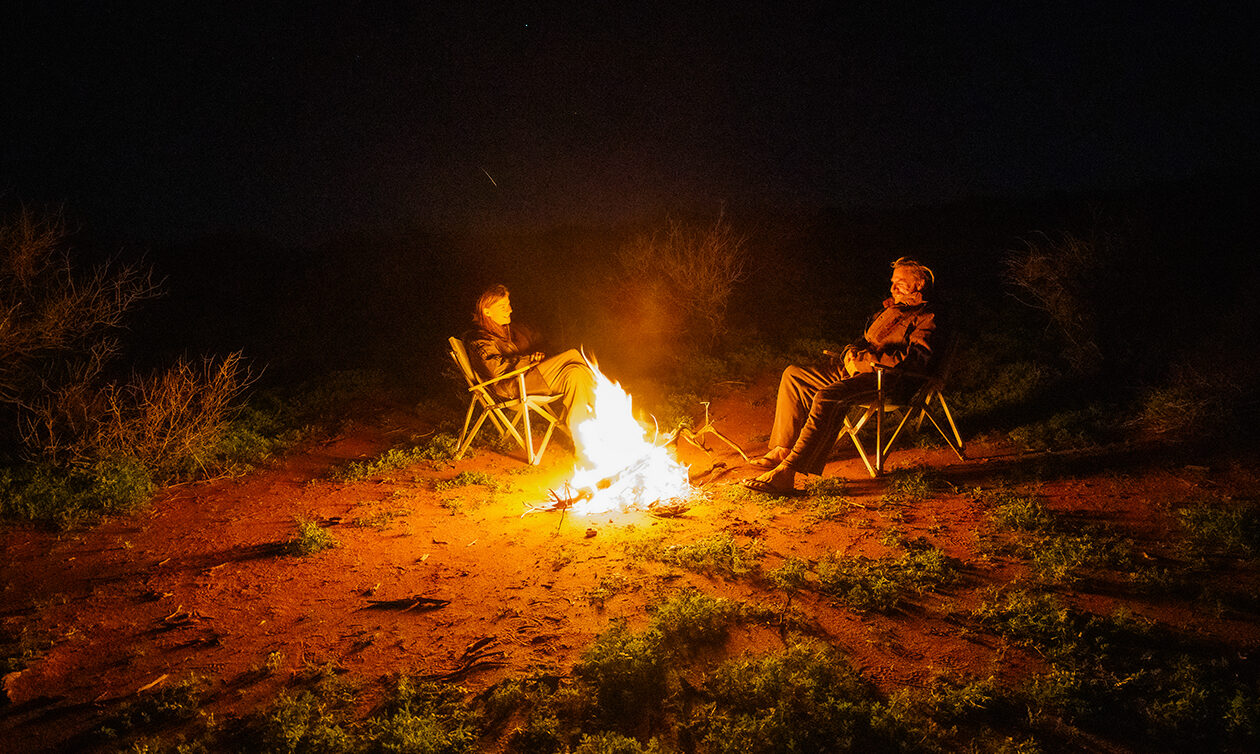
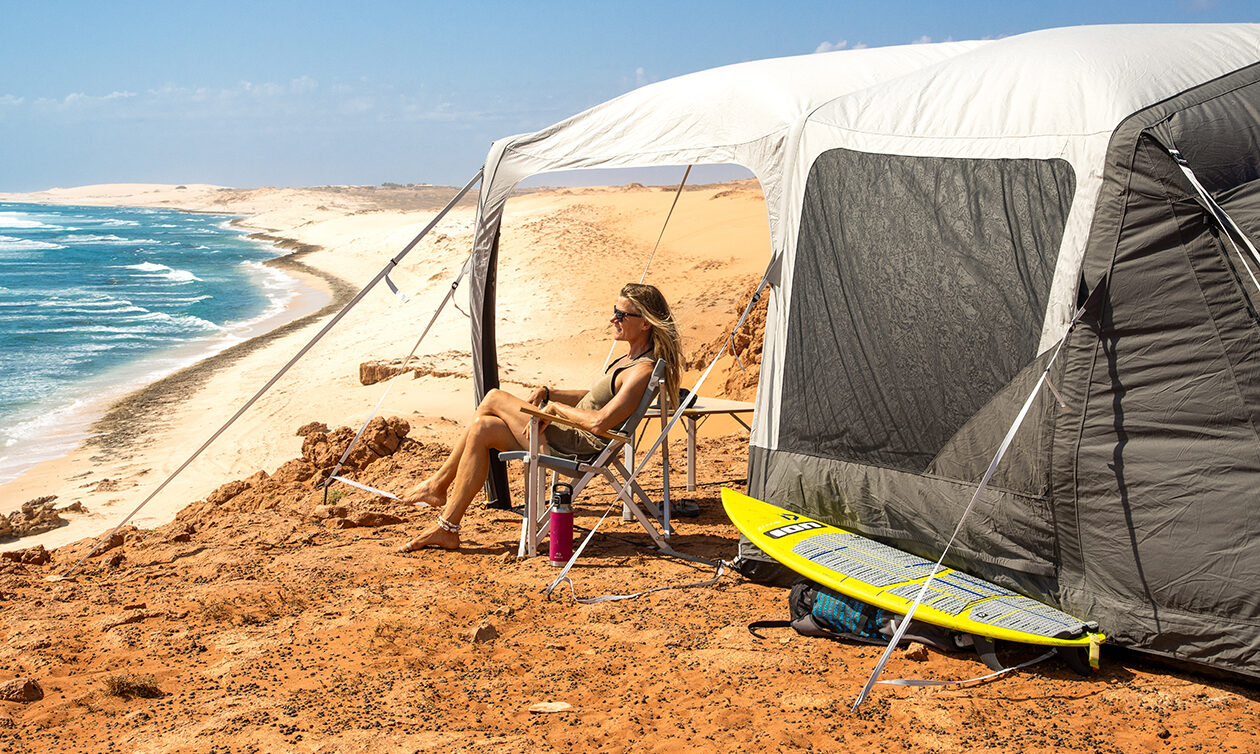
I did my first WA road trip almost 20 years ago and instantly fell in love with the place. A few years later, it became my home. Margaret River, in the southwest, is now my base. When winter sets in down south – bringing storms, rain, and weeks, sometimes months, without sunshine – my Aussie husband, Corey, an obsessed big-wave windsurfer, and I pack up and head north. Every year, we camp for several months in the deep Outback, where the desert meets the Indian Ocean. With the next town nearly 200km away, solid preparation is key. We bring 200 liters of fresh water, 150 liters of diesel and petrol, food supplies, six solar panels, several huge batteries, three fridges (well, two fridges and a freezer for fresh-caught fish), a BBQ, tables, chairs, firewood, tents, countless square meters of shade cloth, and, of course, all our toys: surfboards, kites, windsurf gear, SUPs, fishing rods. We even bring a mountain bike and a couch, because nothing beats sitting by the fire on a couch after a long day in the ocean, staring into the bush TV (the flames). Our tents, like a kite, are inflatable and easy to set up. With their sturdy airframes, they handle wind incredibly well.
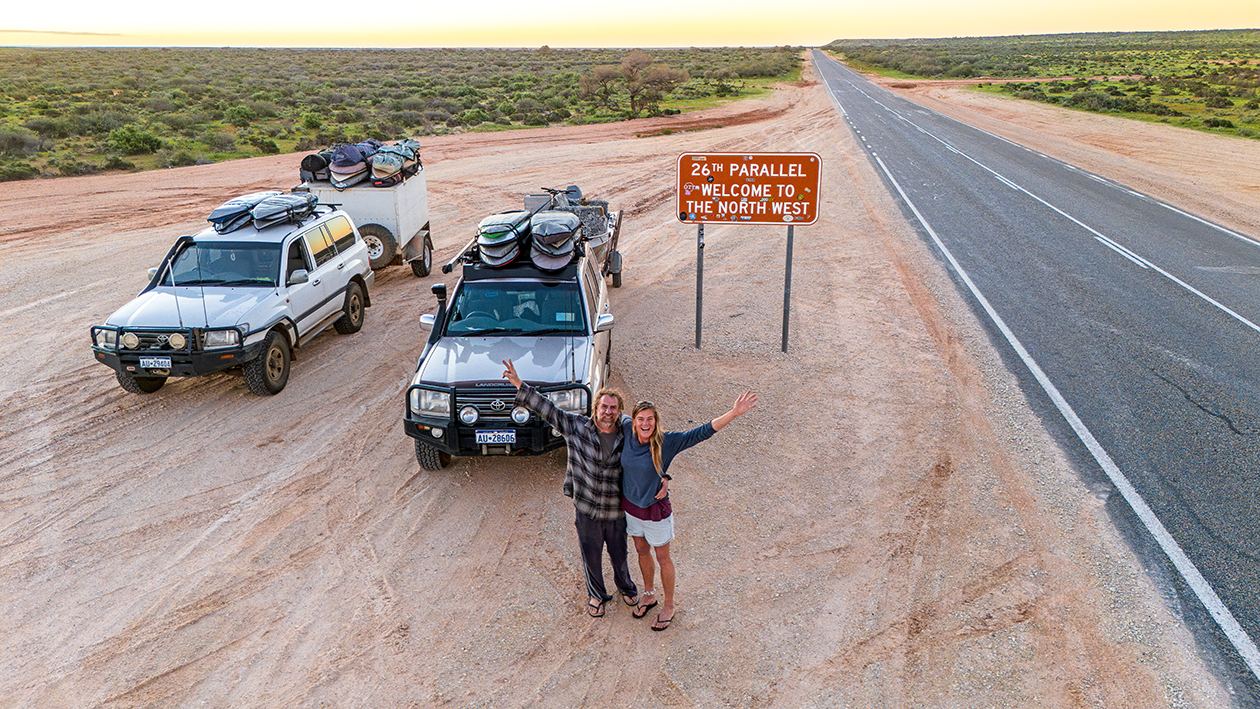
Near Exmouth at a remote spot, we set up our home base, which I lovingly call “The Bush Taj Mahal”. Just the packing and prep take two solid weeks; every nook and cranny in our two LandCruisers, trailer and boat gets filled. I tow the boat; Corey tows the trailer. With nearly 20 boards strapped to the roofs, people often assume we’re running a surf school or traveling with a big family. But really, we’re just two wave-obsessed freaks, and given the remoteness and heaviness of the waves, you gotta bring spare boards! Sleeping in a caravan would be easier and more comfortable, but we love our tent and the deep connection to nature that this raw style of living provides. Free camping is technically illegal in WA, but along the Ningaloo Reef, there are several campgrounds to suit all tastes and budgets – from more developed sites in town to ultra-basic bush camps that feel more like Mars than Earth. These remote spots usually have no water, toilets or phone reception, so you’ll need to bring your own portable toilet.