When you purchase gear through links on our site, we may earn a small commission. Here’s why you can trust our tests and our affiliate partner.

TheKiteMag63 Tangled Lines Cabrinha Annelous Lammerts 4 1200x800 - Tangled Lines Legends: Annelous Lammerts

Tangled Lines Legends: Annelous Lammerts

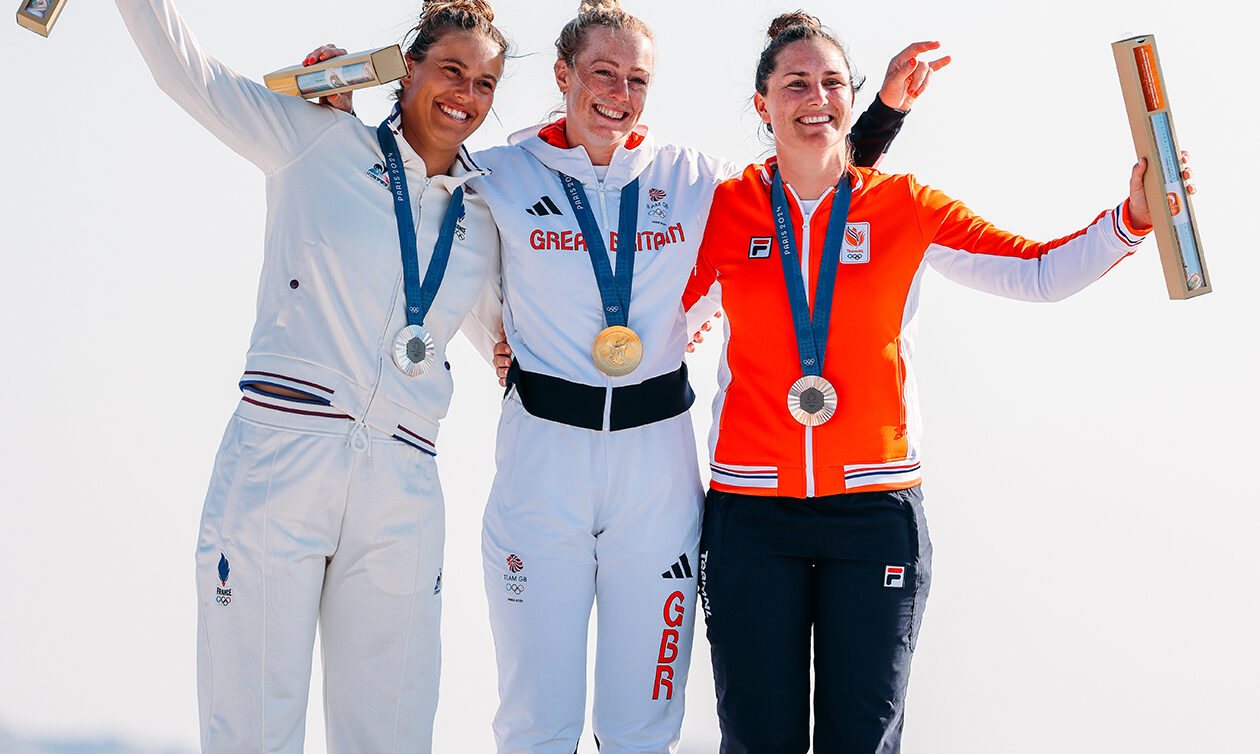
When it was confirmed that kiting would be part of the Olympics a lot of athletes switched over from sailing, windsurfing or other sports. So it was especially gratifying that Annelous, one of the few competitors who was already an accomplished pro rider in park and freestyle and had frequently featured in this magazine, bagged a place on the podium. We were stoked for her and her achievement.

THEKITEMAG ISSUE #63
PHOTOS: Andre Magarao (unless specified)

Colleen Carroll

Your kiting career has drastically changed in recent years. What was the motivation to transition to an entirely new discipline and any major takeaways from the switch?

My main motivation was the dream I once had as a young girl to compete at the Olympics. When I grew up and started kiting this dream simply wasn’t a possibility anymore, and faded away. When it was announced kiting would be at the Olympics for the first time, even though it was a completely different discipline it did light that fire again. Since Covid cancelled all my travel plans for nearly a year I had the time to give it a try. It was a serious challenge to learn this completely new discipline, but I knew that the knowledge and expertise of the Dutch federation, my passion for kiting, and my determination were a great formula to give it a serious shot. It also came at a time that I was looking to build more of a life in the Netherlands, and this new discipline offered this possibility. I spent more time at home than when I was competing in freestyle or park, and we had the world championships, which was where I qualified for the Olympics, right at my homespot in the Netherlands. What I learned from this switch and also from other decisions as a professional athlete I would say: dare to take that risk. Some opportunities only come by once, and you’ll never know beforehand how they turn out.

Eric Rienstra

Would you have stayed with freestyle or park if they had been included in the Olympics?

I probably would have stayed with those disciplines if they became Olympic, but they didn’t, which means I never got to choose. I kind of experienced the same transition when I switched to park from freestyle at some point because the freestyle tour wasn’t what it used to be, prize money went down, and tour stops were getting canceled last minute. I was definitely scared when I made the decision to start racing, since 2019 was one of my best years on the Kite Park League, and I was doubting for a few months what to do. But I also knew the Olympic campaign could be valuable for my long-term career. Our sport is relatively small, but everyone knows what the Olympics are and what hard work it takes to get there. Looking back I’m incredibly happy I dared to take this jump into the unknown.

TKM

Why did you originally get into kiting? And what other sports do you do?

I got into kiting due to my high school boyfriend. He was a kite instructor and taught me how to kite. From the first moment I was obsessed, and rearranged my life around kiting. Now I also like to do other sports, like snowboarding, surfing and paragliding. And cycling when there are no conditions for any of that!

Alina Kornelli 

What did you think the Olympic journey would be like when you got into it and what were the key things that turned out really different from what you expected?

When I got into racing I didn’t have many expectations. I didn’t know much about this discipline or running an Olympic campaign, so I started with an open mindset. I guess I didn’t expect some of the lessons learned from this Olympic campaign. It was a big shift working with a diverse team inside a large organization. When I was competing in freestyle and park I was an individual athlete, managing every aspect of my career myself and running my own self-employed business. During this campaign I became part of the sailing federation and the bigger organization TeamNL. The Olympic journey turned out to be more of a team effort than when I was competing in the other disciplines. And in that setting leadership, clear communication and self-awareness were fields I ended up growing in, which was essential during high pressure periods and are valuable lessons for the future as well.

Polly Crathorne

We met on the freestyle Kite Tour Europe many moons ago. Can you share a favorite story from your handlepass era?

It’s hard to choose one story, but 2014 which was my first year on the PKRA tour was one to remember. Traveling around with Kristin Oja and Malin Amle, we called ourselves the “Gypsies on tour”. We were all newbies and barely had enough money to go around. We slept in airport halls, hitchhiked, stayed in the cheapest places. It was my first year traveling outside of Europe and I got to go to some amazing places. I remember we stayed in such a cheap place in Egypt, but then when the competition started we moved into a, for us, luxurious hotel organized by the tour. We really appreciated the whole journey and never took anything for granted. I think it’s a feeling we should aim to keep when we get used to the beautiful life we get to live as kiteboarders.

Deury  Corniel

How does it feel to reach the pinnacle of both your careers being recognized as one of the best in freestyle and also securing a bronze medal at the Olympics? True legend, my respect to you champ!

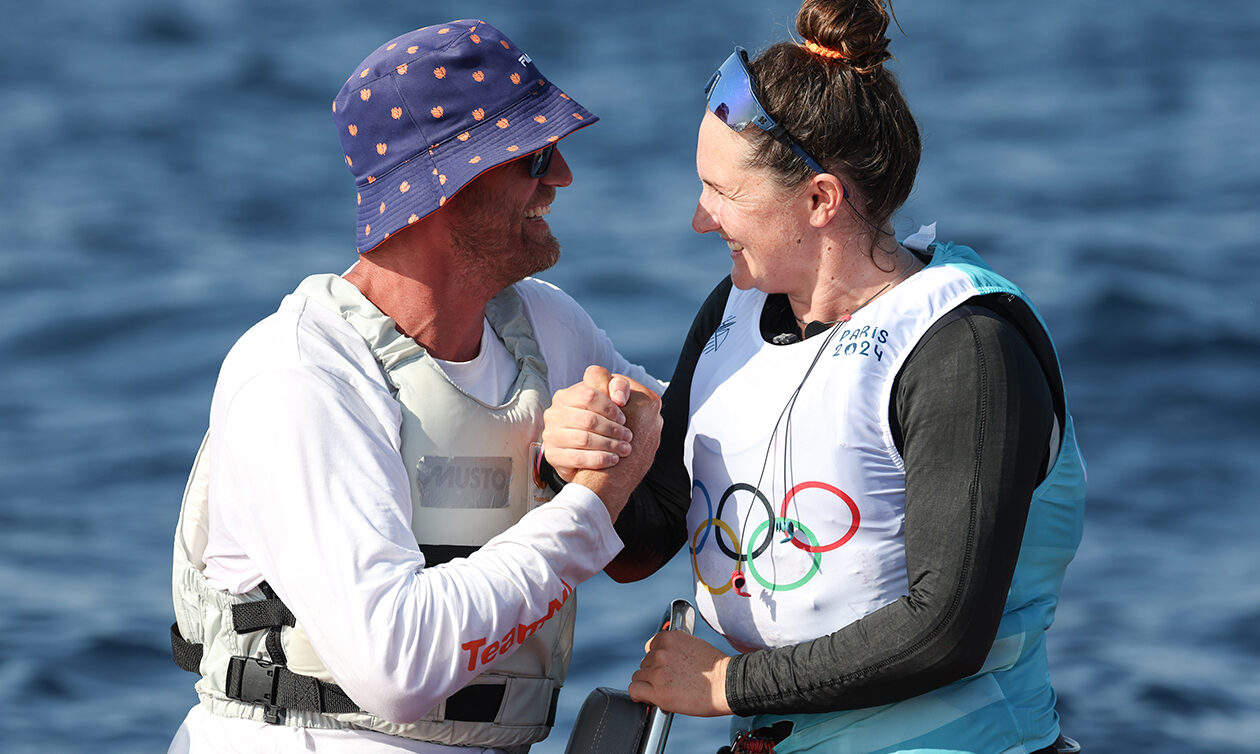
Thanks for your kind words Deury. The bronze medal felt like a cherry on top of the cake. Before the Olympics started I was talking to my coach and good friend Casper [pictured above], who I shared the whole Olympic journey with, and I said that I was happy and proud whatever the result would be. Both of us worked so hard, spent a lot of time away from home and gave it our all. Starting the competition with this feeling, created a sort of calmness inside of me. I’m very proud of my journey and thankful to so many people who have been a part of it.

Sensi Graves

What was your training schedule like leading up to the Olympics? How does it feel to now not be training so diligently?

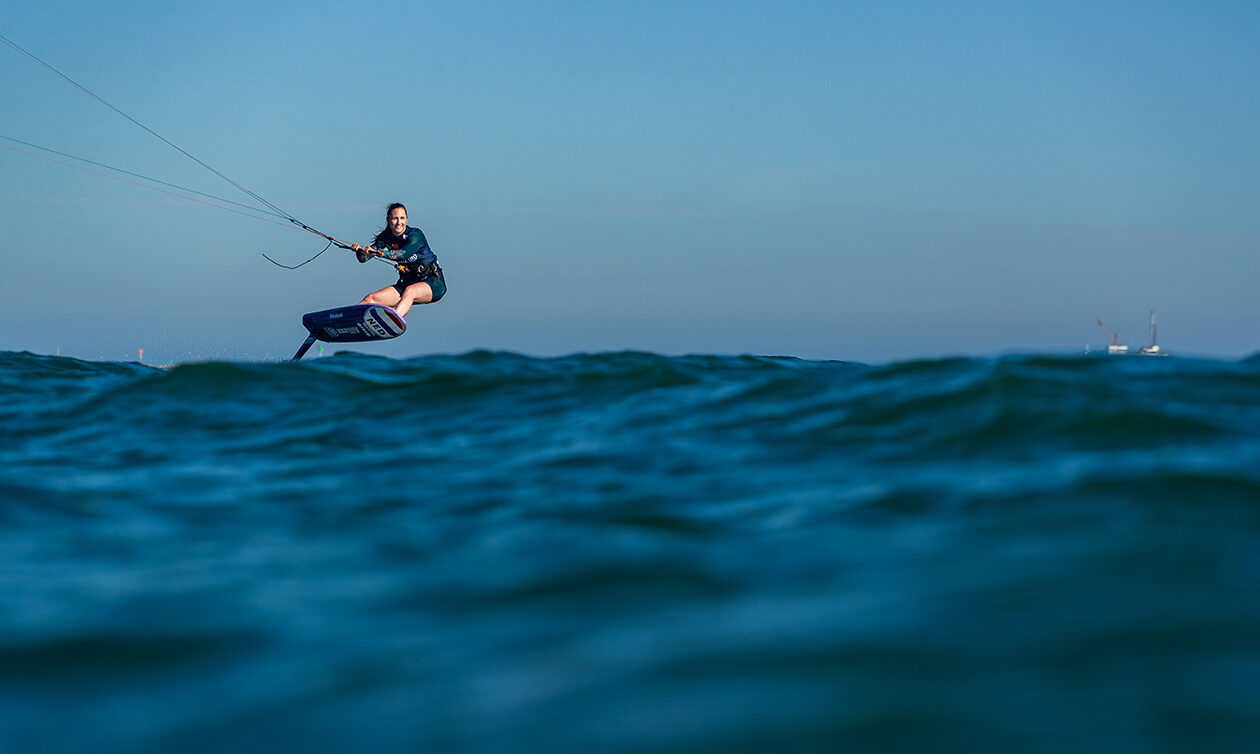
The schedule was basically training six days a week, sometimes two training sessions in a day. The winter before the Olympics I actually overtrained myself and was reminded of the importance of balance and rest. When I was doing blocks on the water I decided to only do one big session a day combined with some mobility. At home during the physical training blocks it was mostly strength together with intervals and some endurance training. I also had to gain quite some weight for the Olympics. Luckily we managed to change the biggest size for the women to a 15m instead of a 21m or even a 23m which we could use in Marseille.

Eric Rienstra

From freestyle to park, to racing and the Olympics (congratulations btw!), you have probably participated on the most tours of any kiter I know (tied with Hadlow). How do your experiences on those tours compare as far as how you prepare and train?

Thank you Eric! Looking back, together with the riders and friends I got to train with doing freestyle and park we were doing a pretty good, professional job. The biggest difference is that in the Olympic class I got to work with some of the best experts in each field. Instead of figuring out my own training or nutrition, they helped to decide what would work best based on science and data and sharing information with other experts working with the best athletes in the Netherlands. The training off the water was more structured and played a way bigger role than it did with freestyle or park.

Hannah Whiteley

What have you found the most challenging – competing on the Freestyle World Tour or the Formula Kite racing? And which discipline has been the most rewarding?

The Formula Kite has definitely been the most challenging one for me. I started late compared to my competitors and had no racing or sailing experience like most of them. So the whole period was a race against the clock. All disciplines were rewarding in a different way – freestyle competitions were the first way I started earning some money in kiting, the Triple S was an insane event to be part of and to win, but the Olympics were such a special experience and working towards one competition for almost four years and coming home with a medal was definitely the most rewarding part. The whole experience was also very valuable as a person and I learned lessons that will help me with future projects as well.

Julia Castro

Your journey to the Olympics was a long and thoughtful one, with lots of sacrifice and hours spent away from home. What was your favorite moment at the Olympics?

The opening ceremony was really special and it is such a different feeling to get together with fellow athletes to represent your country, and Paris is a beautiful city. But the best part of my Olympics was the fact that it was close to home so my whole family was on the beach sharing every moment of the race. Having them there, some days just for a hug and other days spending an evening with them and not talking about the competition, helped me so much to relax and get ready for the next day. The celebration in the Dutch house in Paris was probably my favorite moment where reality really started to kick in that I won bronze. It really showed that during the Olympics every sport is important and you win the medal not only for yourself and your team but for your whole country. It was great to have you there celebrating with me together with the Dutch army. Crowdsurfing, my little brother wearing the medal all evening, getting free drinks and not much sleep… it still feels kind of like a dream.

TKM

Tell us about what you wore for the Olympics – we’ve heard there was quite some tech involved!

Together with Weev, Sports Innovators and the TU Delft (university) we created a suit that was cut-proof and aerodynamic. They tested it in a windtunnel, and even though the differences are small due to the angles we are doing, it was good to know that if anything it might be slightly faster with the suit than without. But especially having the cut-proof suit gave some confidence that if an accident would happen, chances to get a cut would be way smaller.

Titouan Galea

How did you sort out the budget for the Olympics? Does your federation help?

The federation set up the program, so from the beginning we had a coach on the water in a rib for the whole group. Having a coach and the best experts in terms of physical coaches, nutritionist and doctors is of course of huge value. The federation bought foils which we could use, but the traveling, kites, boards and other gear I had to cover myself. I had private sponsors, and most of the money I was earning I was putting into this project, living super low budget and saving costs where possible. After two years I made it into the top eight in the world, and from that moment most of my expenses in terms of travel and gear were funded by the federation and I also started to receive a salary. From that moment life got a lot easier and I could focus way more on making the next step to the top three.

Roderick Pijls

If we forget about all the competitions, photoshoots and film projects, what is your most memorable session that will stay with you forever?

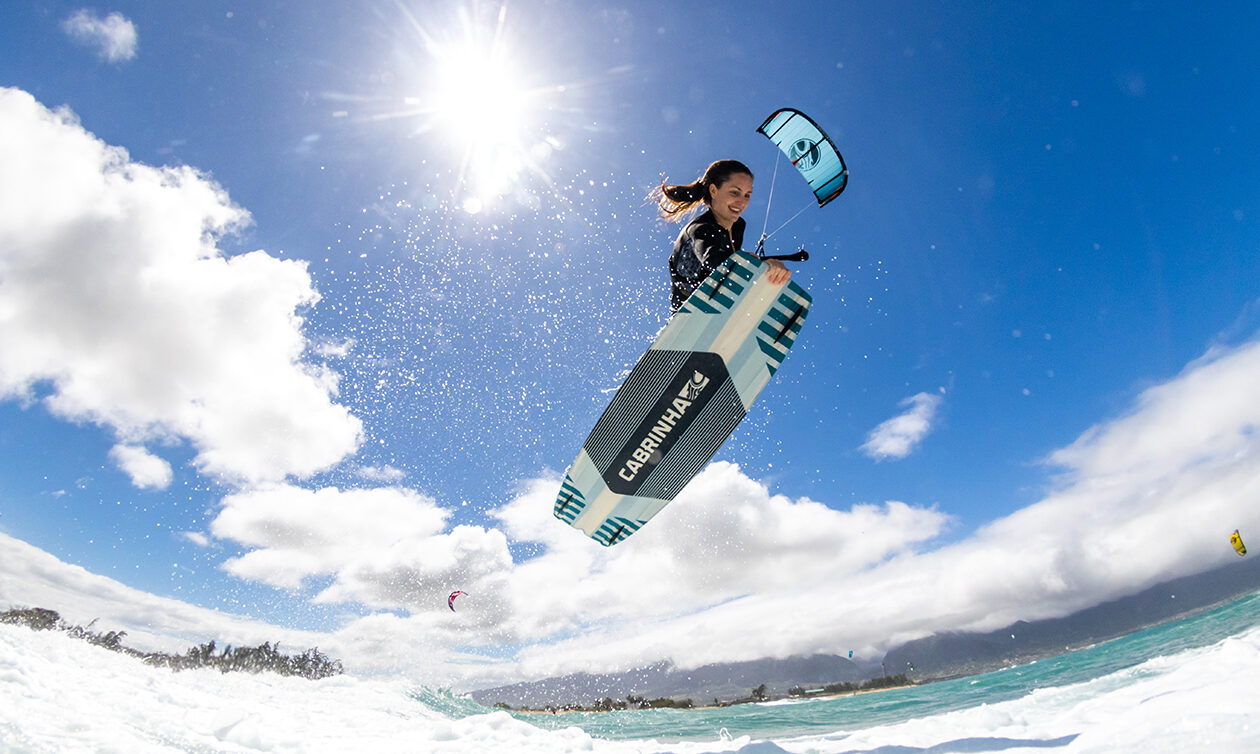
It’s hard to choose between all those sessions from the past 15 years. But I do remember one session during a Cabrinha photoshoot. The new gear was going to arrive a day late which meant we had a day off before we could start shooting. We borrowed some gear from our Sales Manager Fran and I scored one of my best wave sessions. It was completely unplanned, at a secret spot with no one else out but Alby, Markino and myself. I don’t kite in waves often, but these were by far the best conditions I had ridden in, especially with wind from the right. The sun set during the session and it was a beautiful moment, sharing the stoke with friends.

Eric Rienstra

It feels like I haven’t seen you at all since you switched to racing. What have you been up to? Where are you living? What spot do you train at? What’s life like outside of kiting?

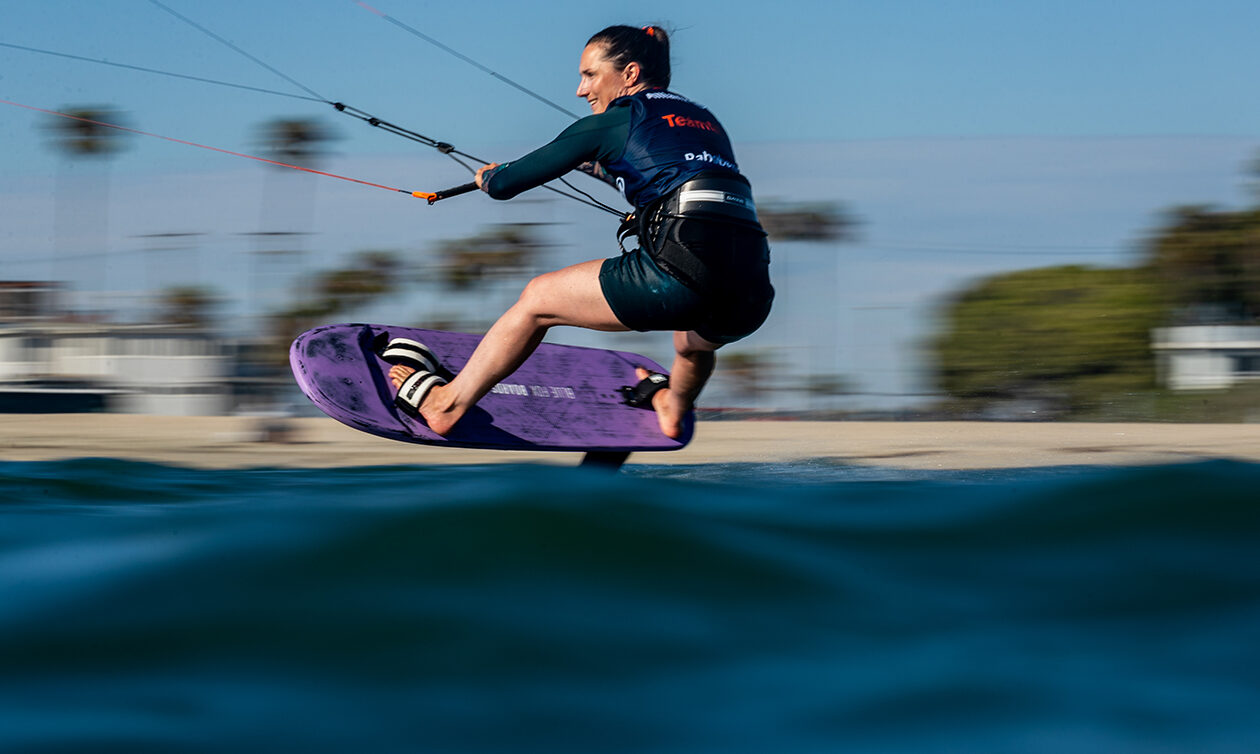
True, I went all in when I started racing, it was the only way for me to catch up to the girls who’d been doing this longer than I had. I moved to The Hague together with my boyfriend Maurits and I’ve been enjoying building a home, instead of living from a suitcase like I was doing for years. We mostly trained in Europe, either at home, in Marseille or Fuerteventura which is a great place in Europe to escape the Dutch winter. I really enjoy living in the Netherlands close to my family and in my free time I still try to spend time on the water with friends, either surfing or wingfoiling. I’m currently studying psychology so plenty to do when I’m not training. Hope to share a session with you at some point again Eric!
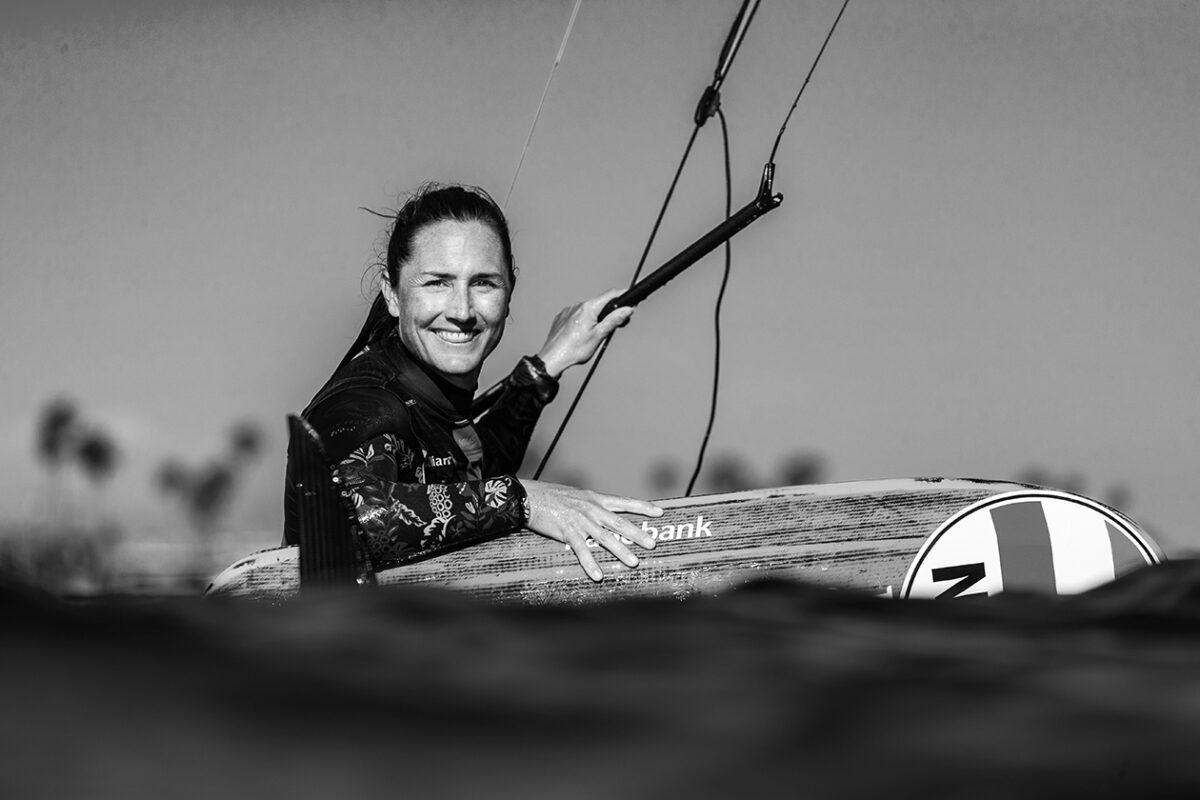
Theo Demanez

You’ve always shown impressive consistency in competition. Do you think that comes from your mental preparation, training, or a specific method that helps you maintain that level? What would you recommend to a young rider looking to build that kind of consistency?

I’ve always loved competing, and growing up with four siblings definitely played a role in that! Coming from the Netherlands where we often have tricky conditions on the water helped me get consistent in all conditions. The harder it gets, the better I usually am. So get out there and don’t only choose to ride on the nice days. The mental is something I worked on a lot during the last two years. In freestyle and park my results were important, but as I grew in my role of international Cabrinha team rider other things made me a valuable asset to the team as well. This took away some of the pressure of competing. In the Olympic class it was different. The results are basically the only thing that matter and for me personally I only cared about the Olympics itself which take place once every four years. It’s easy to put too much pressure on yourself when you work towards an event like that. I worked with a sports psychologist to get to know myself better and find helpful ways to deal with the pressure and keep myself in the right headspace to perform. The mental part is huge in Formula Kite – decision making is crucial and sometimes the most important part of a race. Events also consist of multiple days of racing, so not getting wound up by past races and keeping the focus right is of huge importance. I think starting learning about this would have helped me a lot in my younger years and I would recommend everyone to get into this – not only if you feel like your performance is suffering but working on your mind the same way you can work with a physical coach to prevent injury. I find it so interesting how the mind works, which is also a reason why I’m currently studying psychology.

Alberto Rondina

You’re one of the most allrounder and motivated kite and sport girls out there, and we’ve had endless photoshoots and sessions together. Where do you find all your energy and what motivates you the most?

Since I started kiting I’ve basically been addicted to the sport which made it really easy for me to spend those endless sessions on the water. The feeling I get from landing a new trick, riding a big wave or going faster than ever before is something I have always been chasing. Sometimes I would spend way too long trying a new trick, while I was already completely exhausted. This approach definitely helped me to bring that same energy to photoshoots where we usually spend hours and hours shooting, and I like the goal of trying to get some good shots. I also love to see how passionate you still are after all these years Alby!

Lucas Gramstrup

If you were to give one piece of advice to someone new to the sport, what would it be?

Most of all, enjoy! When you love what you do, it’s easy to spend a lot of time doing it and make progression. It’s such a great sport, and don’t let the hard days take away your motivation. Mother nature is unpredictable and sometimes it takes a bit of patience to get a good day on the water again.

Titouan Galea

Do you plan to do the Olympics in 2028 in LA?

Time will tell, for now I’ve been continuing and really enjoying it!

Want More?

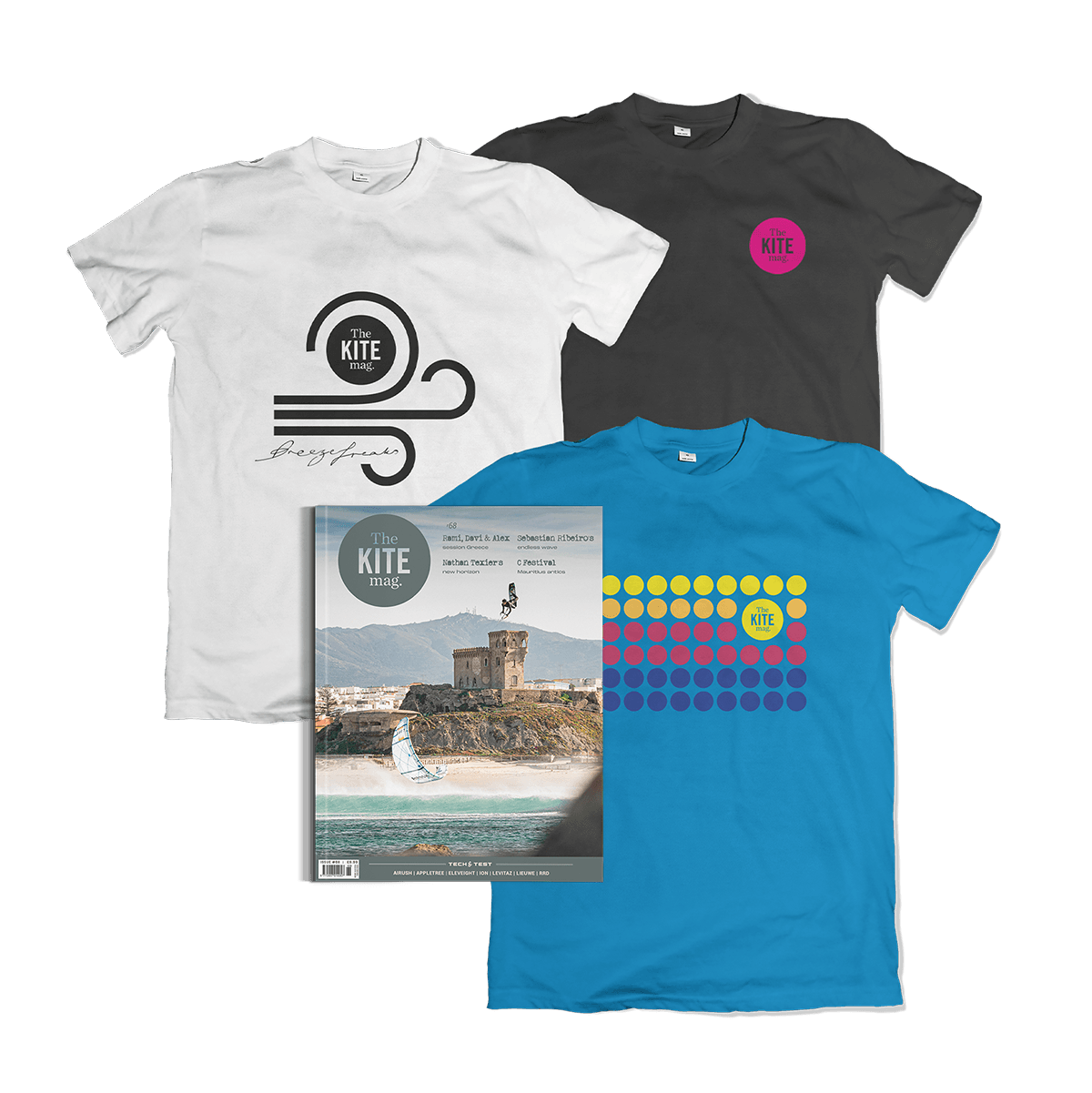
You can get the latest goodness from the world of kiteboarding by subscribing to our print edition. You'll get 5 packed issues, plus a free tee and free digital access. And you'll be directly helping with our sustainability efforts too!

Check it out now
single-feature.php
Subscribe Today