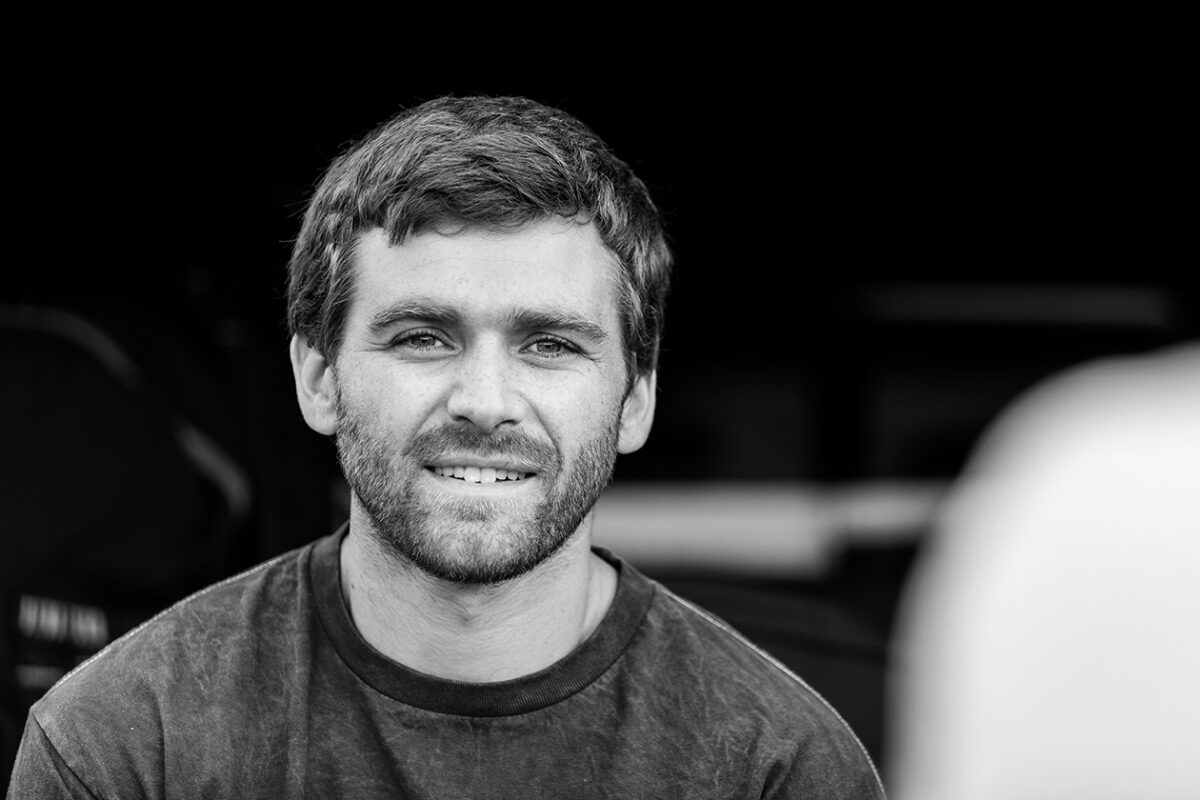
Noè Font
Where do you see kite designs in 10 years? Is the Sigma kite going to make a comeback?
I actually made a revamped Sigma kite recently and it was pretty sweet – a few changes but the idea and theories behind the design really make sense, so who knows, maybe Sigma was just 20 years ahead of its time. Really though, kite designs have slowed down significantly, and I think designs will move forward with whatever discipline starts trending next, let’s hope it’s Kite Park hah! I think materials have been a big thing lately, but making materials that are more affordable and working on structures to gain the performance and stiffness without the price tag is a goal of mine. Otherwise, just keep chipping away at performance and feel.
Xander Raith
One of the best and most formidable pieces of advice that was instilled in me at a young age and becomes brutally apparent as youth transitions into adulthood is to “know your worth”. I believe this understanding and justification of oneself applies fundamentally to an individual’s identity. From a business standpoint, this becomes a fragile balance, especially for an athlete. When an athlete signs to endorse a brand, product or idea, they are not only selling their talent, they are also selling their identity. While monetizing talent can be largely straightforward, introducing a value for the worth of an individual’s identity is a delicate and often unfair settlement. When examining other sports such as soccer, American football, basketball, baseball, or even board sports such as snowboarding and surfing, the salary that top-tier athletes make seems largely justifiable where the financial outcome of their physical efforts and dedication is met or even surpassed by financial remuneration. In short, many athletes dedicate a portion of their life to their athletic skill and can live comfortably off of their efforts. Sadly, kiteboarding does not scratch the surface of this echelon. Even the best kiteboarders in the world who have and continue to dedicate their life, health, and mental drive to the sport simply do not receive a salary even close to the exertion of their personal efforts. From an analytical perspective, some might wonder, “If one of the world’s most talented kiteboarders isn’t in the upper echelon of industry value, how could anyone coming up ever hope to survive or make a name for themselves?” What has it been like dedicating your life to a sport where the monetary value undermines the effort that you (and many others) have dedicated since you were just a kid? Obviously, kiteboarding for you is much more than the earnings it provides, and I am curious, if you had to walk away from the industry today, what is something you are proud to have given or helped influence within the kiteboarding industry?
Big talk points, and true words. It is an insane time now more than ever, where the highest paid athlete at most brands makes less than the lowest paid employee. How can this be? For someone who is so highly skilled and dedicated, and near irreplaceable, to be valued at less than anyone else at the company. You also have to look at the fact that most people’s paid athlete careers are 10 years at best, and this is when you have to make your money. So yeah, it’s tough, and not always fair. But then you have to look at it as the fact that it was a choice I/we made, knowing the industry that we are getting into, and knowing that you are getting into it for the love of the sport and the incredible lifestyle that comes with it. I have been super lucky to spend 12 years traveling the world, seeing amazing places, meeting great people, and at the end of it saved some money – definitely nothing I regret doing, and if I had my time again, I would probably have done the same thing. I couldn’t have gone to university for years and then settled into a desk job, even though my bank account would have likely been a lot happier. Although saying that, it’s not the same for everyone. A select few do make good money from their athlete deals, but many more have never been able to make it work, and it sucks. It also sucks seeing that it works in many other sports with similar participation, and it sucks even more seeing how much better it was to be a team rider 10-20 years ago, when salaries were 2-10x what they are now. I think social media and the rise of easy tech has leveled the playing field, as anyone can fake being a pro on Instagram now, and content is much easier to get, so brands end up paying less for it or always finding someone to do it for cheaper. That was the fall of athlete contracts (or at least a big part of it). This, along with the diversification of our sport into so many disciplines has led to 10+ World Champions being crowned every year, instead of two, splitting up the pie into tiny slices.
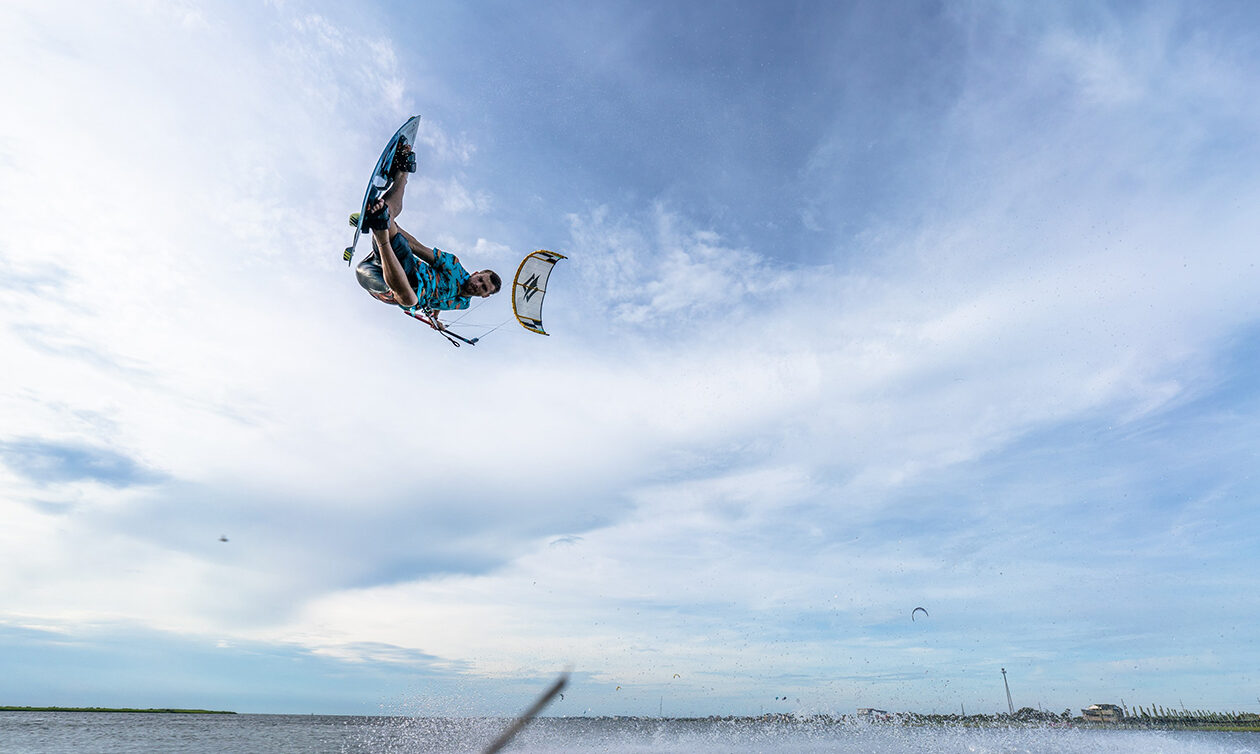
To answer more of the question, it has been great dedicating my life to sport, I may have been luckier than some, but also made some of my own luck, and managed to do it for a long time and not totally burn out either. Sure, I didn’t get rich (or even close to it), but I had a great time (and still do), so I have got to be happy about that! I think expectations in this industry have to be managed, and savor the good stuff when you can! If I had to walk away from the industry today, I would be proud of sticking to my path, and doing what I wanted to do throughout the time I had. I didn’t move around and follow trends of certain disciplines, social media, etc. I am proud that I ride how I want and make media how I want, and it seems to have paid off. I think if I focused on vlogging and Big Air and spamming social media, I could have been more well known and better paid, but I wouldn’t have enjoyed my time as much or been as stoked with what I left and what I can look back on afterwards. I definitely focused on being a ‘rider’s rider’ so to speak and not really trying to please everyone and the brands. I was/am also lucky enough to ride for a brand that supported that vision, so big ups to Naish! I think I have hopefully showed that riders coming up can also stick to that career path, and although it’s tough enough now as it is, it is possible to do, and breaking the mold is more rewarding than trying to just follow what the rest of the world is doing.