When you purchase gear through links on our site, we may earn a small commission. Here’s why you can trust our tests and our affiliate partner.

TheKiteMag65 Tech and Materials Appletree 1 1200x800 - Tech & Materials – Appletree 

Tech & Materials – Appletree 

Have you ever stepped inside a 3,500 square meter surfboard factory? Appletree have opened the doors of their Portugal facility to take you on a full tour – through their history, their in-house innovations, and the step-by-step process that turns cutting-edge ideas into high-performance boards…

ACTION Photos Andy Troy | Factory photos Kyle Cabano

THEKITEMAG ISSUE #65

From orchard to innovation

Appletree started in 2006 in the most unexpected place: the orchard of Jorrit and Wieger Buurma’s parents. Wieger built his first boards in a shed, then moved into a caravan where curiosity, long nights, and countless experiments shaped the first Appletree boards. His friends wanted them too – and this is how the Appletree Surfboards story began.

The goal was clear: surf and kite boards that last longer without sacrificing performance. That mindset of experimentation became the DNA of Appletree. In 2010, Jorrit joined the journey during his industrial product design studies, pushing even more innovation. Summers were spent testing prototypes in French surf camps, gathering feedback straight from the water.

By 2014, their constant trial and error paid off: they developed vacuum infusion technology, a breakthrough method that allowed boards to be both incredibly light and incredibly strong. This remains Appletree’s signature construction today. Around the same time, with help from their friend Vincent, they built their first CNC machine, “De Beuker”, installed in a portable cabin next to the caravan.

The orchard roots stayed with them, inspiring the brand name and logo. What started small was already pushing the boundaries of board building.

TheKiteMag65 Tech and Materials Appletree 5 1260x754 - Tech & Materials – Appletree 

Go big or go home

As demand grew, so did the factory. In 2016 production moved to Rijswijk, with a bigger team and more organized workflow. It was here that Appletree discovered how perfectly suited its construction was for kitesurfing, leading to a surge in kiteboard production. That same year, team rider Paulino Pereira joined, riding his now-iconic Applino model.

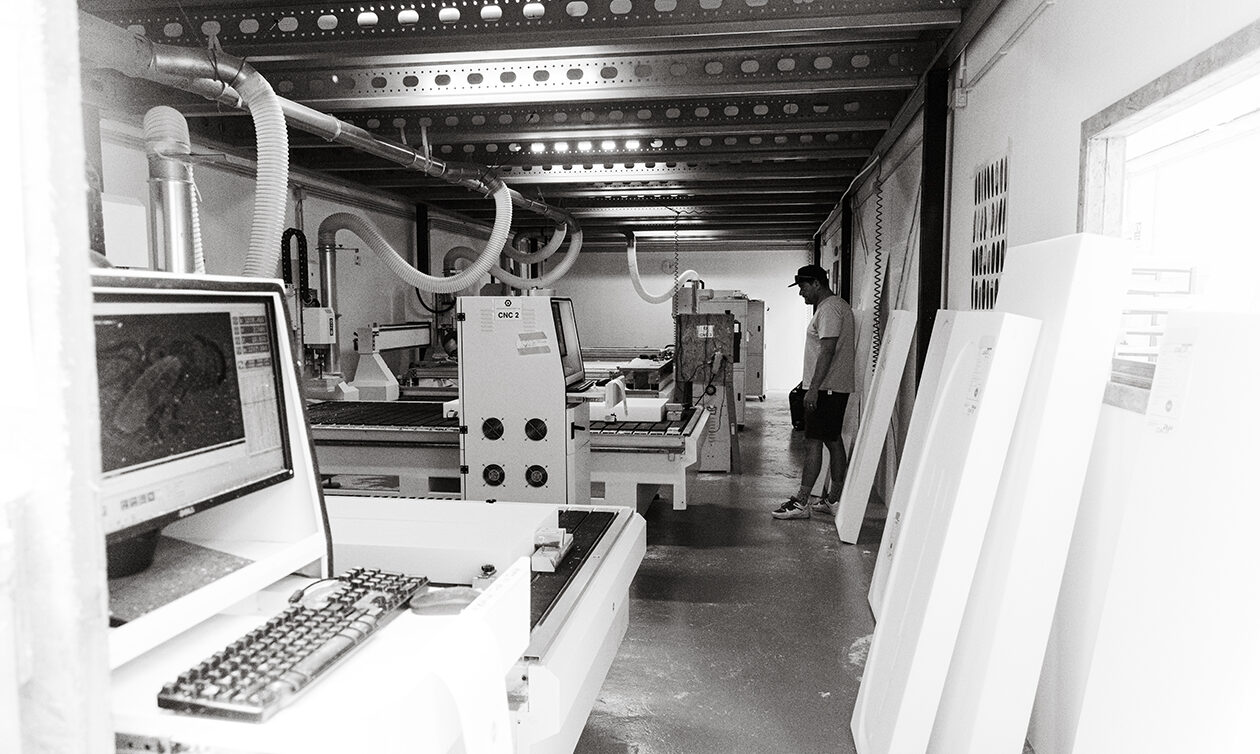
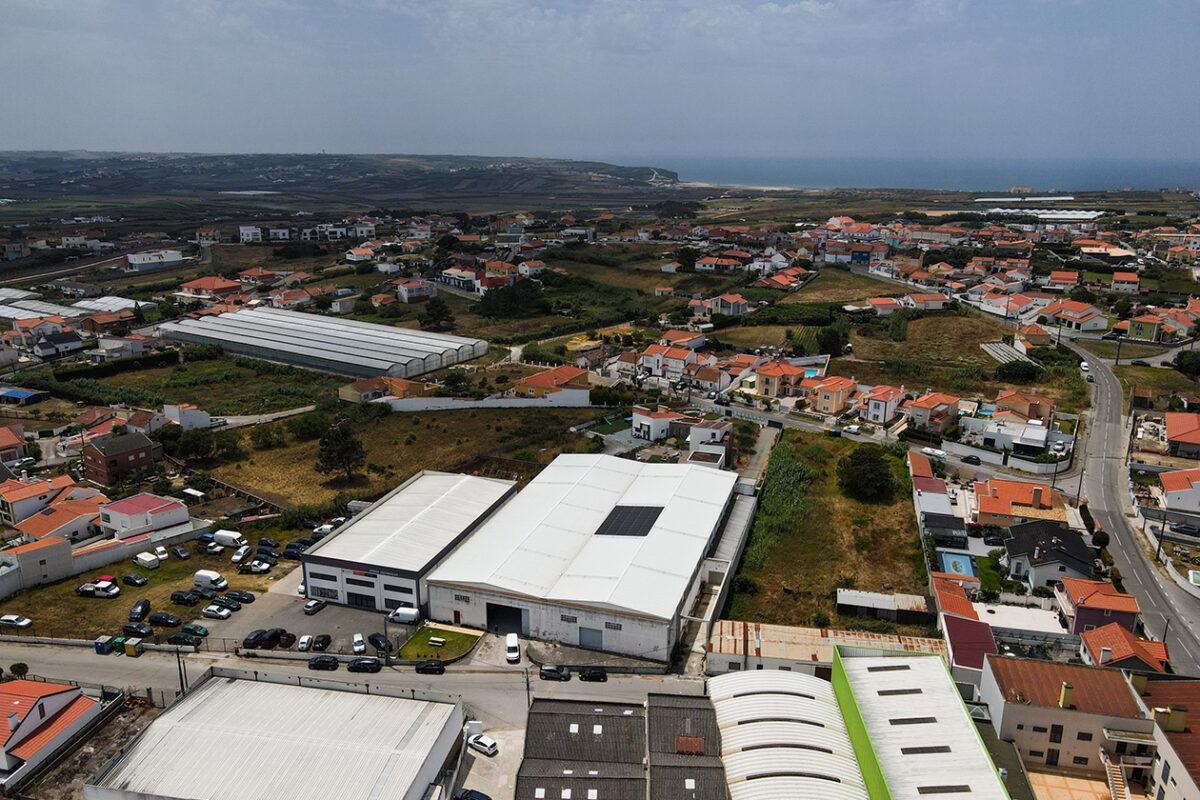
By 2019, growth led the brothers to Portugal, where they set up a factory in Sobreiro. But once again, space became too tight. The next leap was inevitable: in 2022, Appletree purchased a large empty building and transformed it into its current home – a 3,500 m² facility in Silveira, purpose-built for the future of board building, with space to grow and dedicated bays for every stage of the process.

Sustainability and durability have played a big role at Appletree since the very beginning. So when building the new factory, it was a no-brainer to make sustainable investments, ones that positively impact both the environment and the people working at Appletree. The Silveira factory runs almost entirely on renewable energy from solar panels on the roof, and 95% of their materials are sourced within Europe. Even the smallest foam cut-offs and dust are sent back to their supplier to be recycled into fresh foam – closing the loop without losing quality.

TheKiteMag65 Tech and Materials Appletree 4 1260x754 - Tech & Materials – Appletree 

The secret ingredient: 50K closed-cell foam

Every Appletree board starts with a heart of 50K closed-cell foam, designed exclusively for them. No other brand uses it. Why is it special?

• It’s super strong, light and flexible, keeping performance at its best.

• It’s waterproof, so it won’t soak water or blow out in heat.

• Small dings don’t end your session – you can keep riding and repair later.

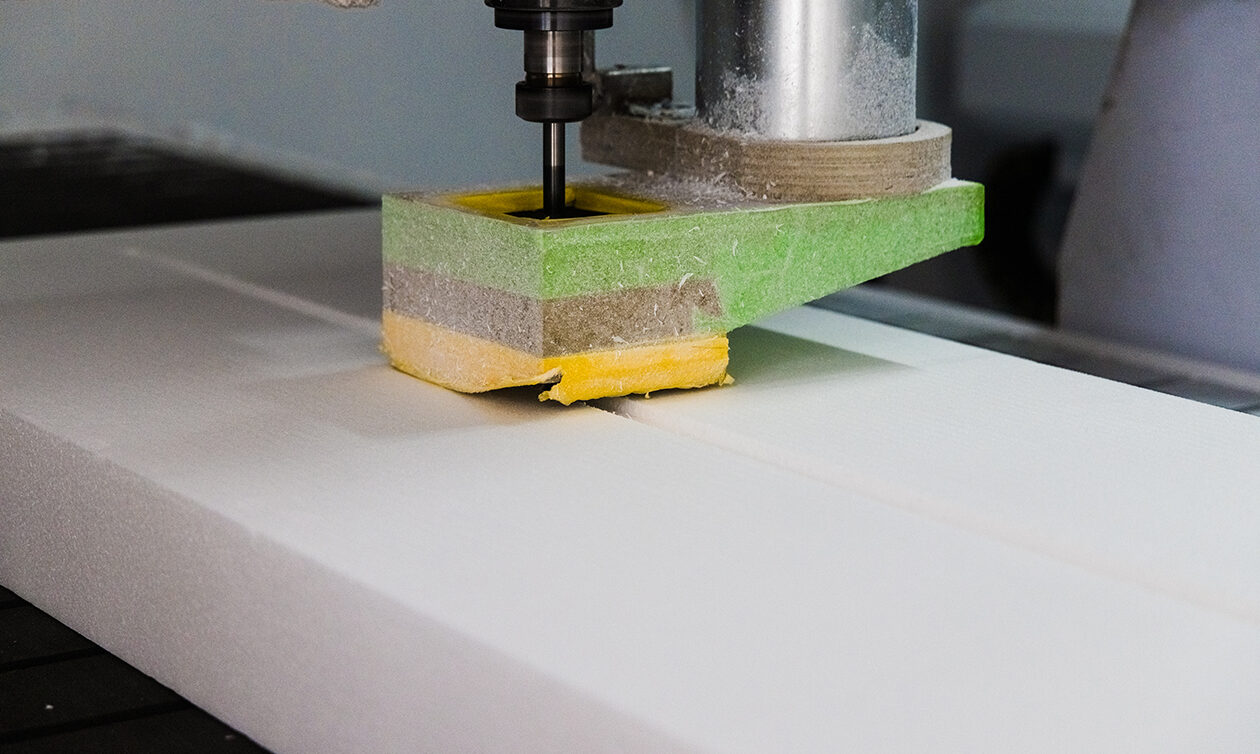
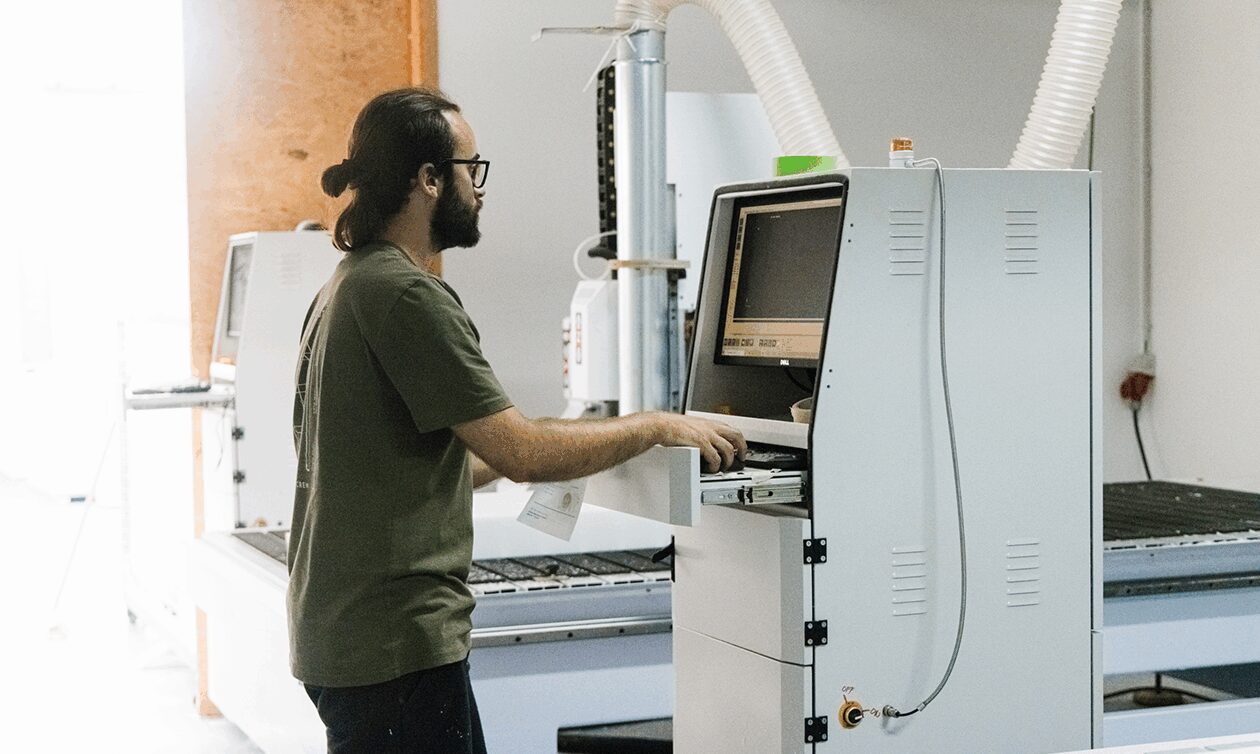
There’s one catch: 50K foam is nearly impossible to shape with standard tools so they had to build their own CNC machines. That means precision shaping, extreme contours, and complete control over every detail.

Step by Step: How an Appletree board is built

Inside the Silveira factory, every stage of production has its own bay, allowing them to refine and perfect each step:

Step 1: CNC cutting machines

Custom-built by Appletree to shape 50K foam.

Step 2: Hand shaping

Skilled craftsmen refine the blanks, bringing precision and flow to every curve.

Step 3: Lamination

Using their unique vacuum-infusion technique they apply fiberglass or carbon dry, set boxes and plugs, and inject resin under pressure. This creates the perfect fiber-to-resin ratio, making boards lighter and stronger.

Step 4: Hot coat

They apply a final layer of epoxy to precisely dial in the shape. This is also where color customizations are added, letting riders make every board their own without adding extra weight.

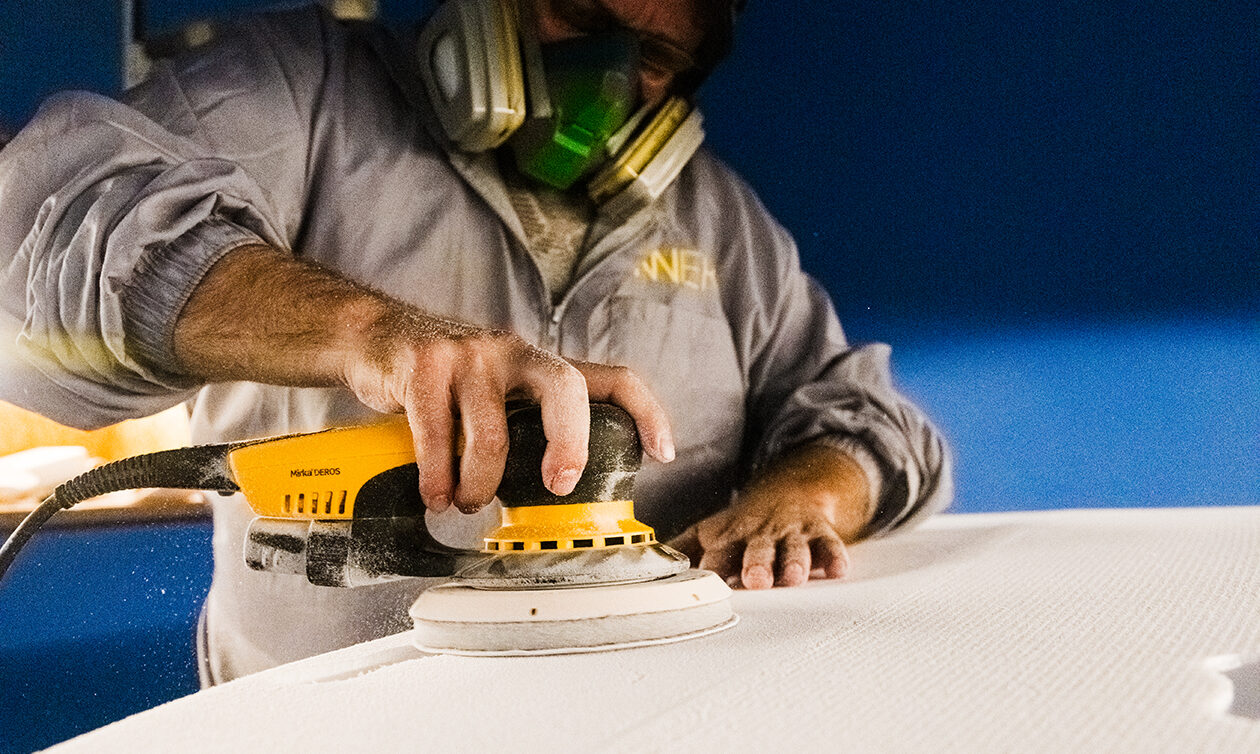
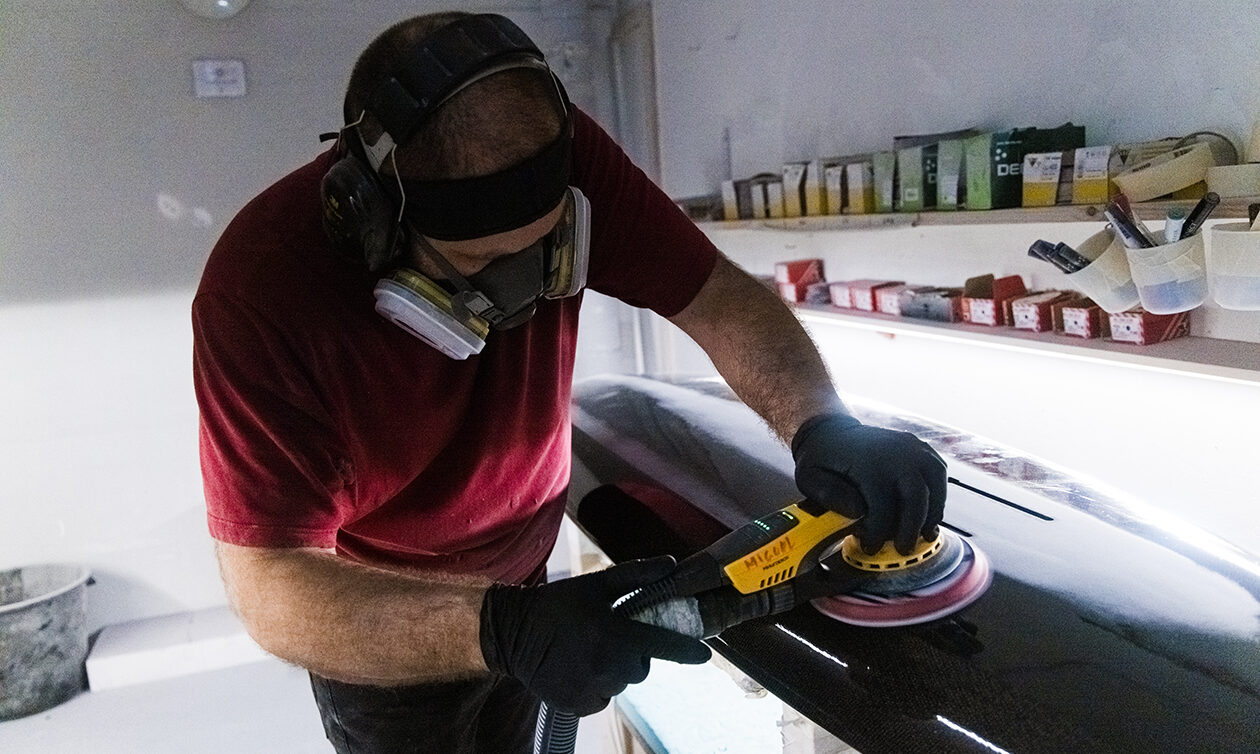
Step 5: Sanding

Finishing each board to achieve optimal performance standards.

Step 6: Spray coat

Decals, details, and the last spray coat complete the process – this is where the clean Appletree look is born.

Step 7: QC and packaging

Every board is inspected, tested, and packed with care. Fun fact: they also use their 50K foam in the packaging, so you can touch and feel the very core your board is made of.

From a caravan in an orchard to a purpose-built factory in Portugal, Appletree’s story has always been about curiosity, innovation, and doing things their own way. Every board carries that DNA: lighter, stronger, and built with in-house technology you won’t find anywhere else.

Want More?

You can get the latest goodness from the world of kiteboarding by subscribing to our print edition. You'll get 5 packed issues, plus a free tee and free digital access. And you'll be directly helping with our sustainability efforts too!

Check it out now
single-feature.php
Subscribe Today