Tech & Materials | CrazyFly Airlock II
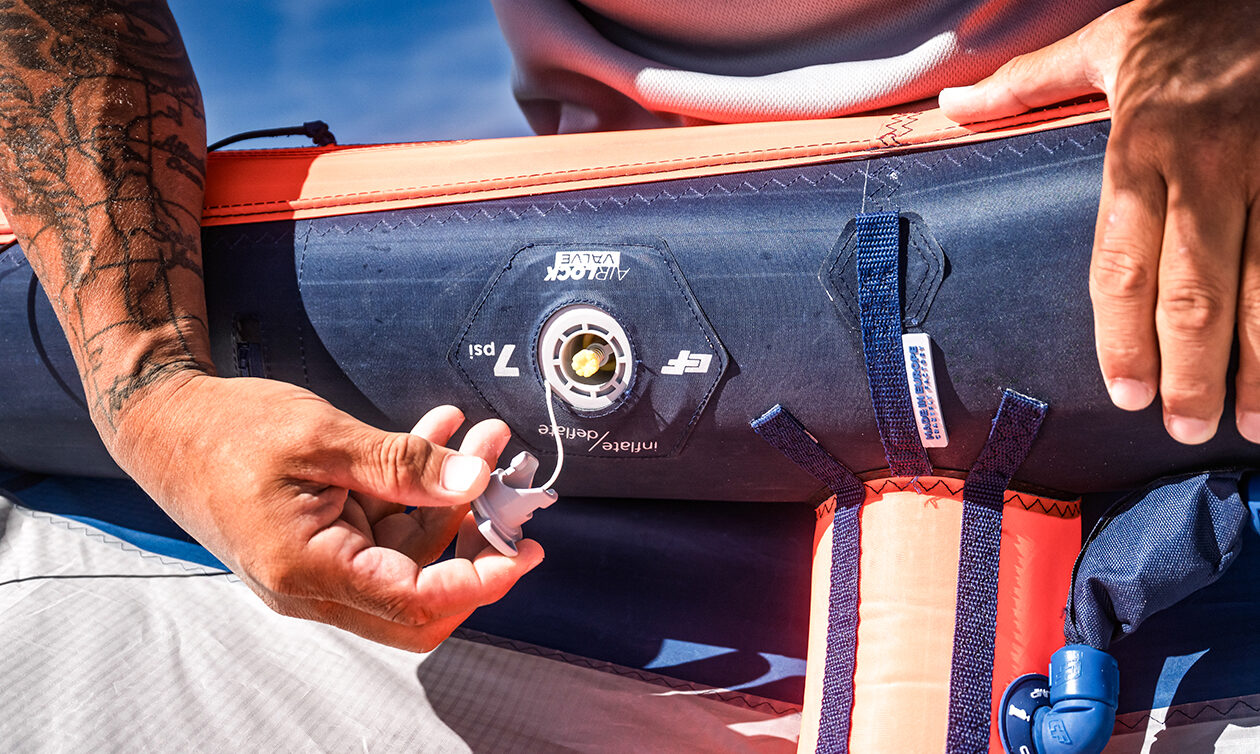
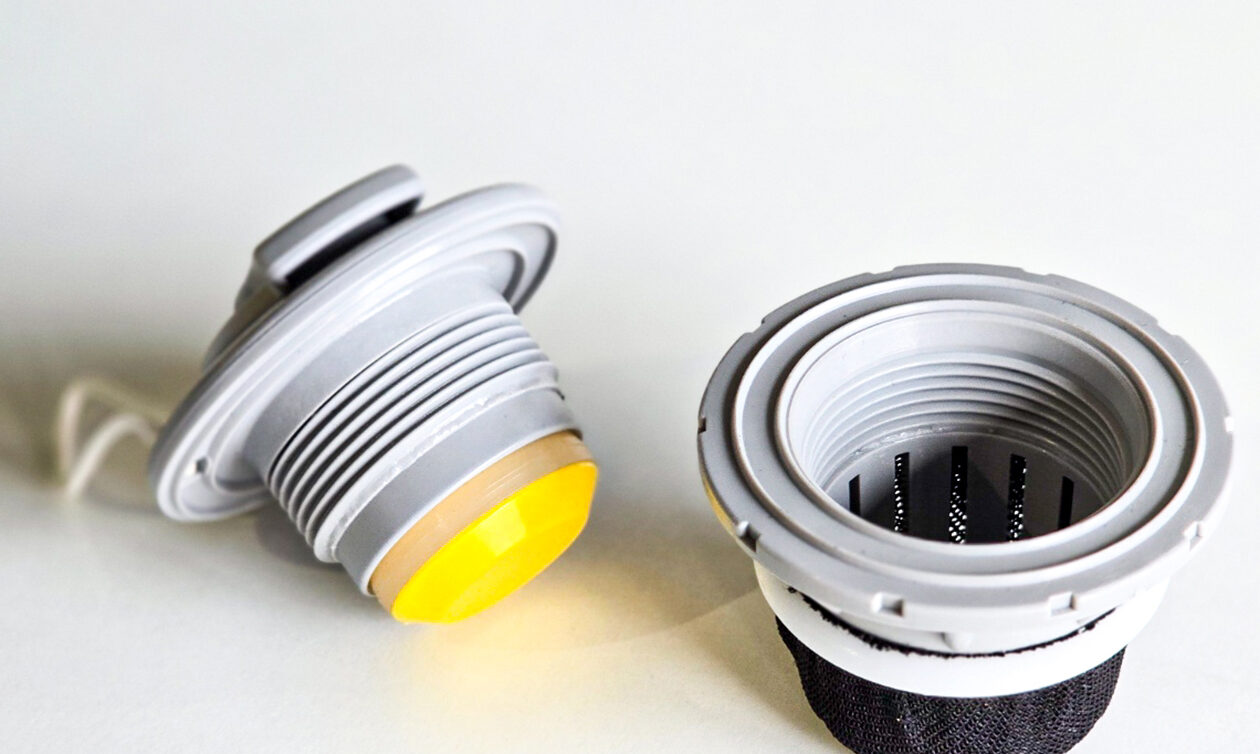
CrazyFly have added a brand-new valve – the Airlock II – to their Nuke and Sculp kites. We gave them a shout to find out what makes it stand out from anything else on the market.
ACTION PHOTOS LACI KOBULSKY
When you purchase gear through links on our site, we may earn a small commission. Here’s why you can trust our tests and our affiliate partner.
CrazyFly have added a brand-new valve – the Airlock II – to their Nuke and Sculp kites. We gave them a shout to find out what makes it stand out from anything else on the market.
ACTION PHOTOS LACI KOBULSKY
Give us an intro to this new valve and what makes it different.
The Airlock II is a true innovation in the industry and CrazyFly is the first and so far only manufacturer to use it. It is a SUP valve that is mechanically attached to the inner tube bladder, rather than being glued or welded. It is more robust and durable than its predecessor because it cannot detach at the glued or welded seam, and it can also withstand higher pressure. As well as being used on our current Nuke and Sculp kites, the Airlock II can also be retrofitted to older CrazyFly kites – from 2017 onwards – and works with the same pump adapter as all major SUP kite valves.
Explain in more detail the advantages of having a valve that isn’t glued or welded.
The biggest benefit for the user of an Airlock II is that it is close to impossible for the valve to detach from the bladder. With the screwed-on mechanical bond between the bladder and the valve, external factors such as tropical weather, excessive sun, or freezing temperatures do not affect the bond between the valve and bladder. On welded and glued valves, these external factors can cause the bond to break. As we all know, detaching valves is an issue in our industry, so we were looking for a better solution to attach valves and bladders to prevent this problem.
And how did you come up with the solution?
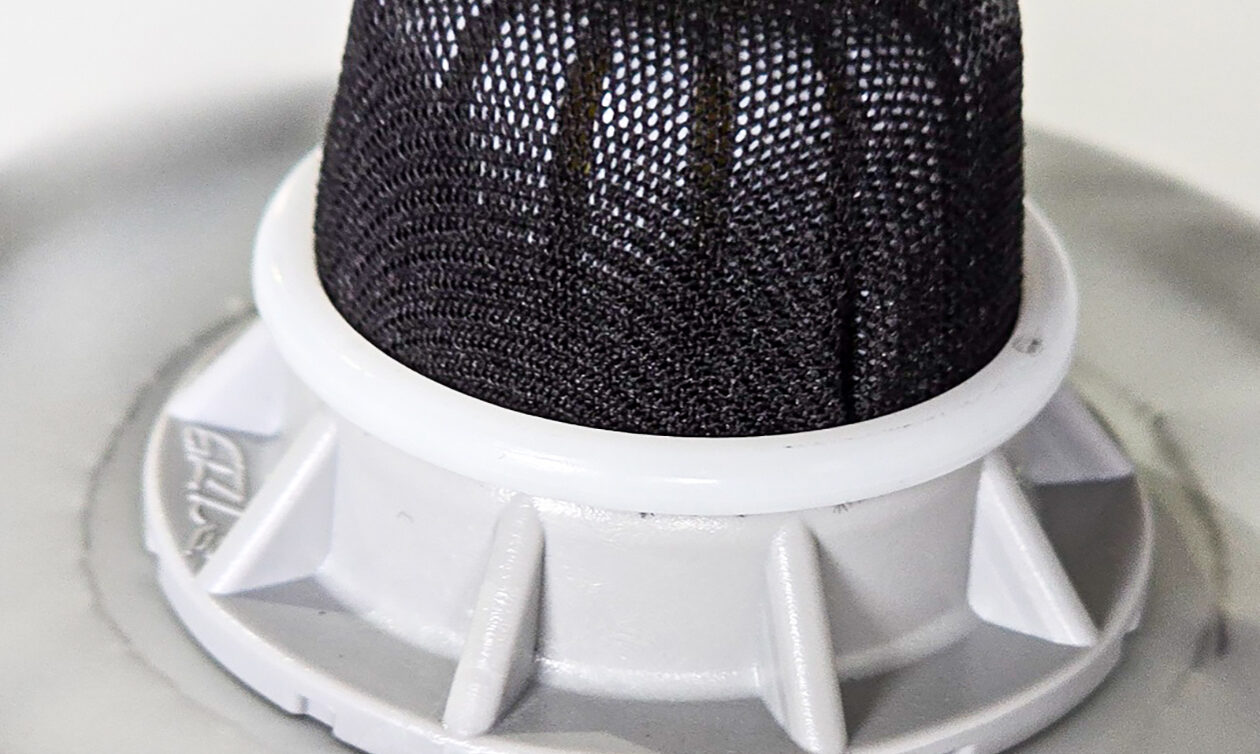
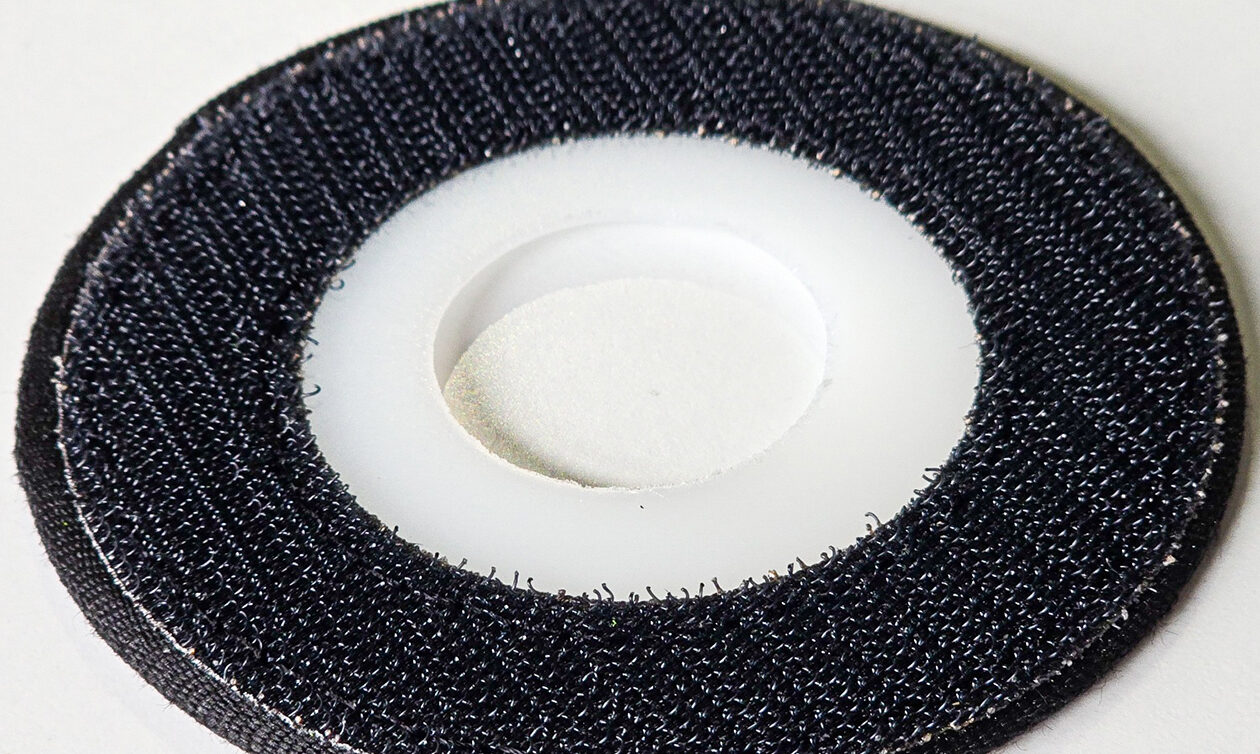
We got the idea from SUP boards, where all valves are attached by being screwed on the SUP board material. The problem was that on SUP boards the material itself is around 3mm thick or thicker, and on kites we have a very thin bladder with a thickness of 100 microns (0.1 mm). Attaching any valve type to such thin material is problematic. This is also the reason why welding is difficult, as the welding process is designed for thicker materials by default. Glue never holds the valve permanently. With external forces, it is a temporary solution. Our solution was in the end very simple. We use a plastic insert to increase the material thickness of the space where the valve is attached. The plastic insert has a specific hardness, so the valve can bite/push into the plastic and by screwing the valve on, it becomes an airtight connection, kind of like a cap on a water bottle. As the valve pushes into the plastic insert material, it prevents the valve from coming loose even with vibrations and stress factors.
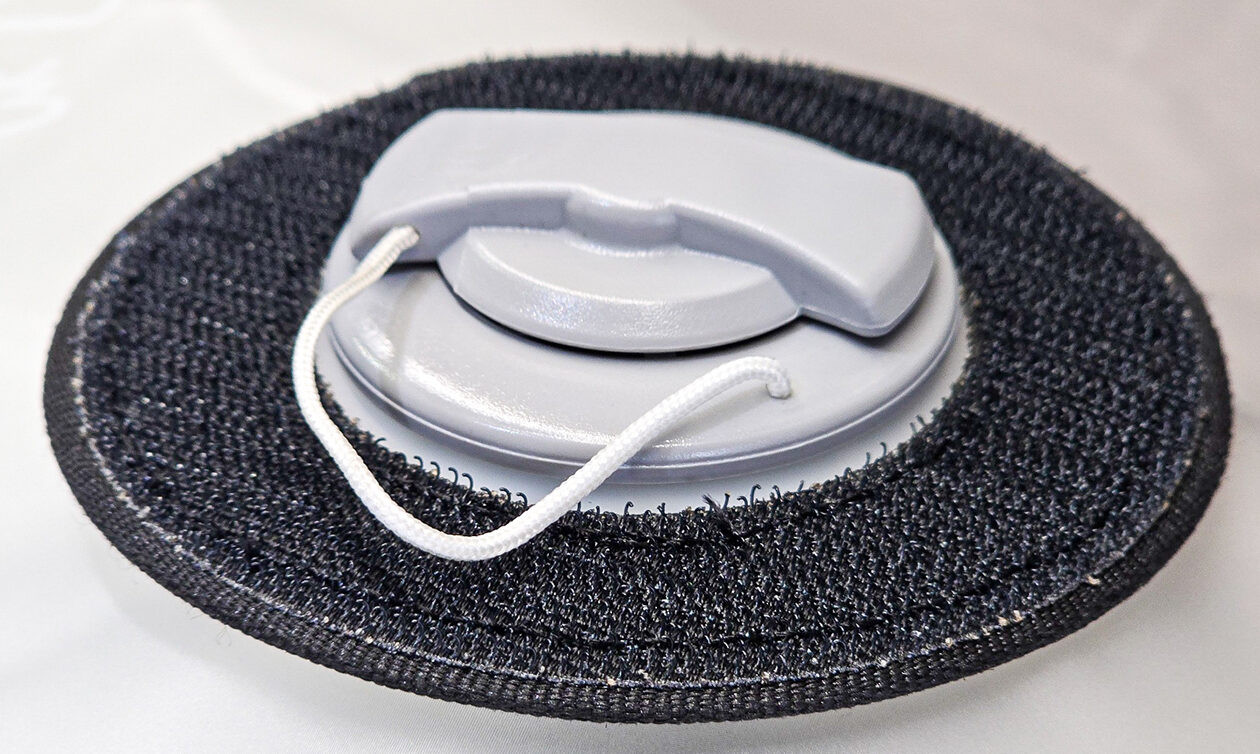
We also stitch on the Velcro to the plastic piece, so it cannot detach. The plastic piece prevents the valve from popping out of the leading edge, especially when the kite is crashed.
Any other benefits to the system?
Another advantage is that the Airlock II valve has the push-and-turn mechanism instead of the previous click system. The push-and-turn is much stronger, can hold more pressure and does not break. The Airlock II is the result of five years of hard work, over two years of testing in all conditions. The final version of the Airlock II has had no failures or breakages over two years of testing and on all CrazyFly kites sold since September 2025. This is already a proven solution in the real world. We are super happy with this result.
CrazyFly is currently the only manufacturer to use a pressed, non-glued valve. How long will this remain exclusive for you?
We will not keep this exclusive. We would like to offer this solution for free to all brands, manufacturers and kite repair centers. We want all kiters to benefit from this and to save them the hassle of valve problems. The solution was hard to work out and is non-conventional. We have waited until now to make all details about the valve public, waiting for the valve to prove itself with good results on the market, not just in testing. We are proud to introduce this innovative solution to a long-term problem in our industry, and hope more brands and kite repair centers will join us and start using the Airlock II valve.
So kites from other manufacturers CAN BE retrofitted with the Airlock II?
Yes, this is possible, but only under some circumstances. We can only guarantee good results on kites that use a SUP-type valve, and the retrofitting can only be achieved by a complete leading edge bladder change. Any kite repair center that has blueprints for bladders of other brands can produce such a bladder and install the Airlock II valve during the bladder production. In our production, we screw and secure the valve on the bladder while the bladder seam is still open – only after fitting on the valve do we weld and close the bladder seam. A bladder with an Airlock II valve is easy to fit into a kite, because you do not have to screw two parts onto the leading edge material – just stick the Velcro around the valve to your leading edge and it is ready to go.
Will you offer the Airlock II as a spare part to customers?
We do not plan to offer Airlock II as a spare part for multiple reasons. With the way the valve is attached to the bladder, if you wanted to unscrew the valve, there is high probability of damaging the bladder. The same applies if you wanted to screw on a new valve. Another reason is that if the Airlock II valve was offered as a self-stick spare part, we all know that glued-on valves do not last very long. So, we prefer to change the whole leading edge. Also the valve is not compatible with all kites. Finally, the Airlock II has shown zero defects, so there is not much need to offer it as a spare part. In the highly unlikely event of a broken piece, we would recommend changing the whole leading edge bladder, and if you were desperate to kite while waiting for the new bladder, you could apply any self-stick SUP valve in the meantime. ■

You can get the latest goodness from the world of kiteboarding by subscribing to our print edition. You'll get 5 packed issues, plus a free tee and free digital access. And you'll be directly helping with our sustainability efforts too!
Check it out now