Tell Me About It: Eleveight CS Auto Bar V3
Eleveight’s third iteration of their CS Auto Bar is now out. Let’s dive in to the details.
Photos Nathanaël Fontaine
THEKITEMAG ISSUE #69
When you purchase gear through links on our site, we may earn a small commission. Here’s why you can trust our tests and our affiliate partner.
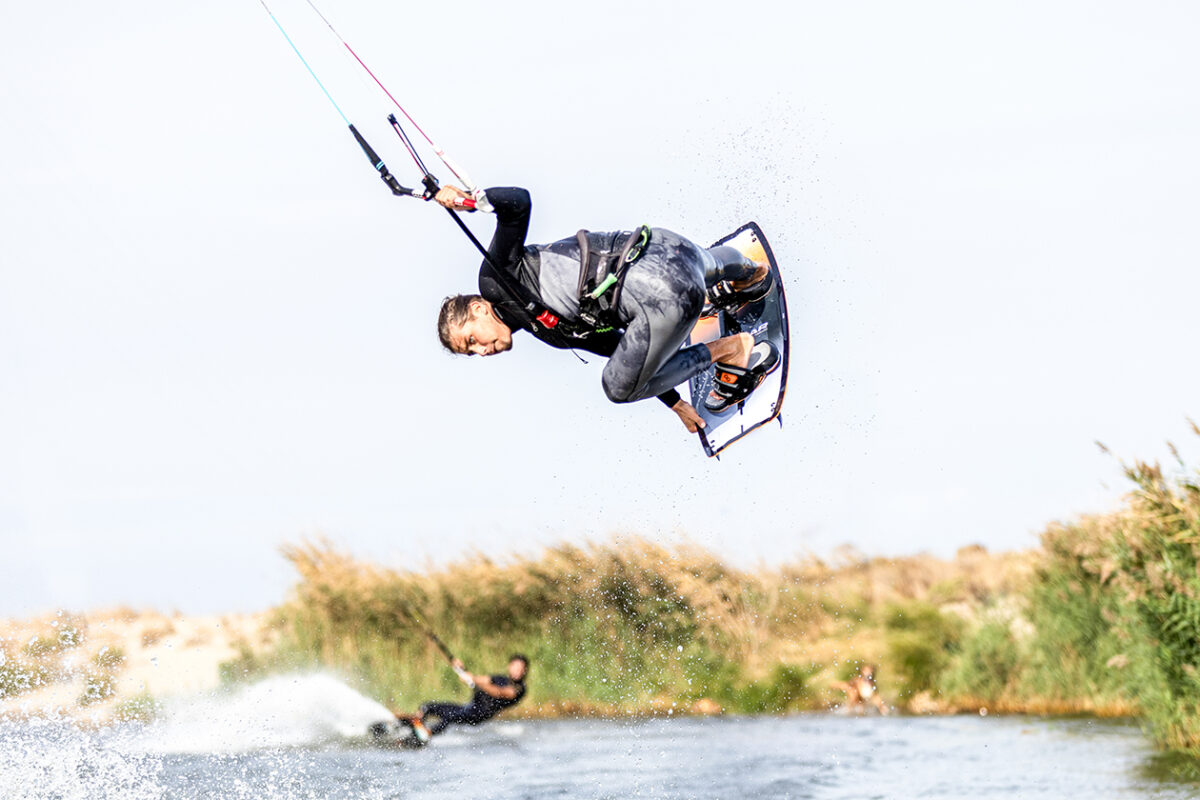
Eleveight’s third iteration of their CS Auto Bar is now out. Let’s dive in to the details.
Photos Nathanaël Fontaine
Does the latest CS Auto work with all your kites, and is it suitable for all kiting disciplines?
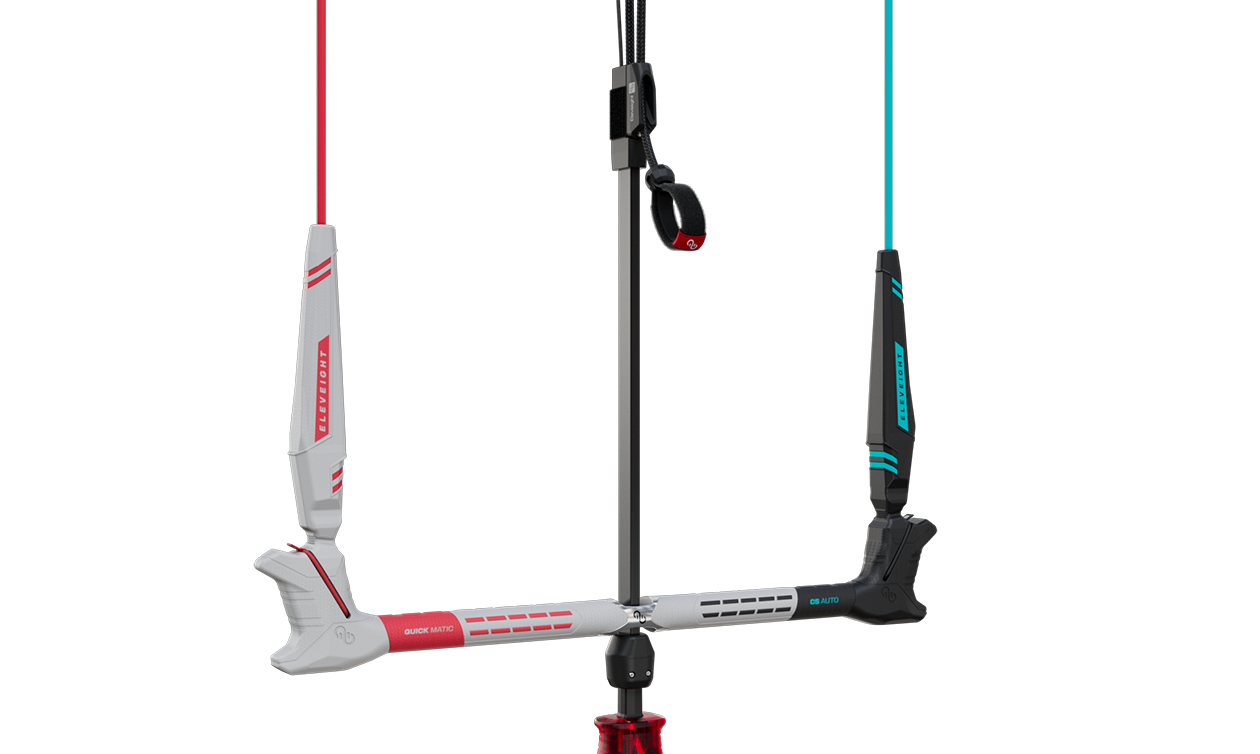
The CS Auto Bar is a classic 4-line kite bar suitable for all riding styles. It is compatible with all Eleveight kites, while the low-V setup and single front-line safety system also make it suitable for many other kite brands.
What are the main features of the CS Auto that you’d like to highlight to our readers?
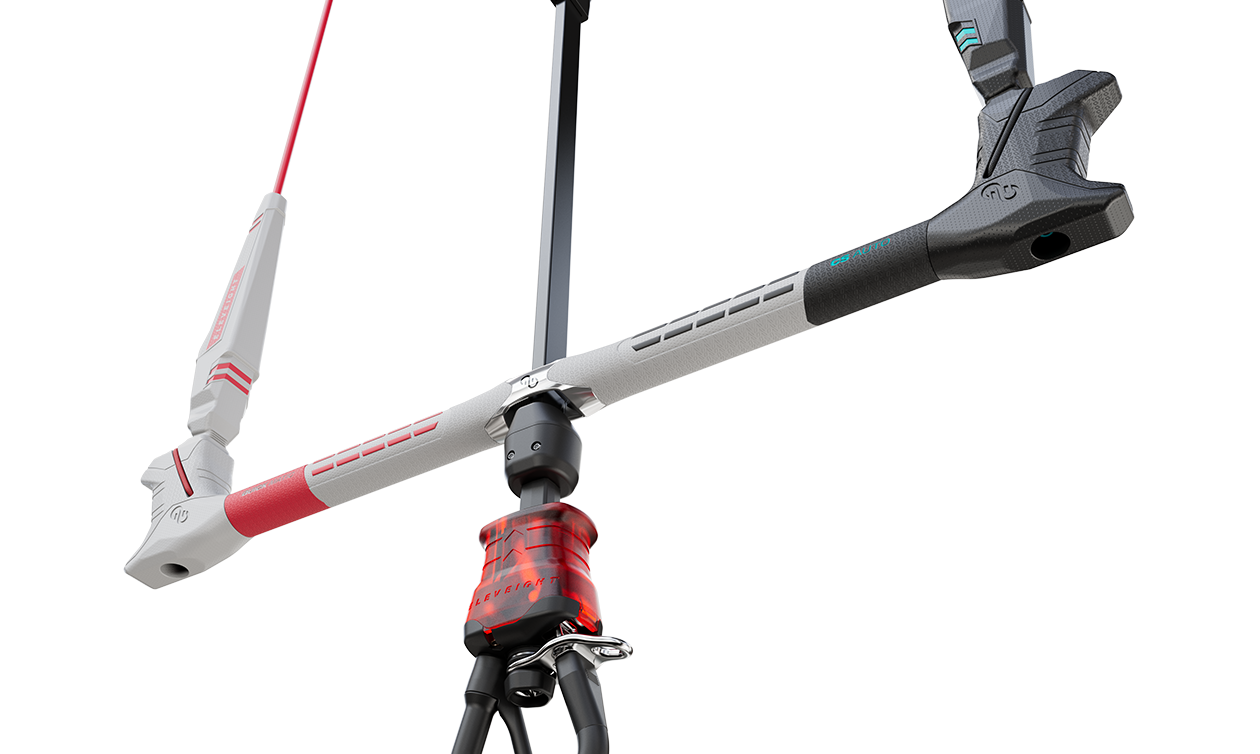
The main feature of the CS Auto Bar is its easy and effective auto-untwist system. After a jump or kiteloop, you rotate the bar back to untwist the back lines. With conventional systems, the front lines remain twisted and the swivel has to be operated manually. With our auto-untwist function, rotating the bar automatically untwists the front lines as well. This keeps the lines clean and untwisted, supporting performance, safety and long-term line durability.
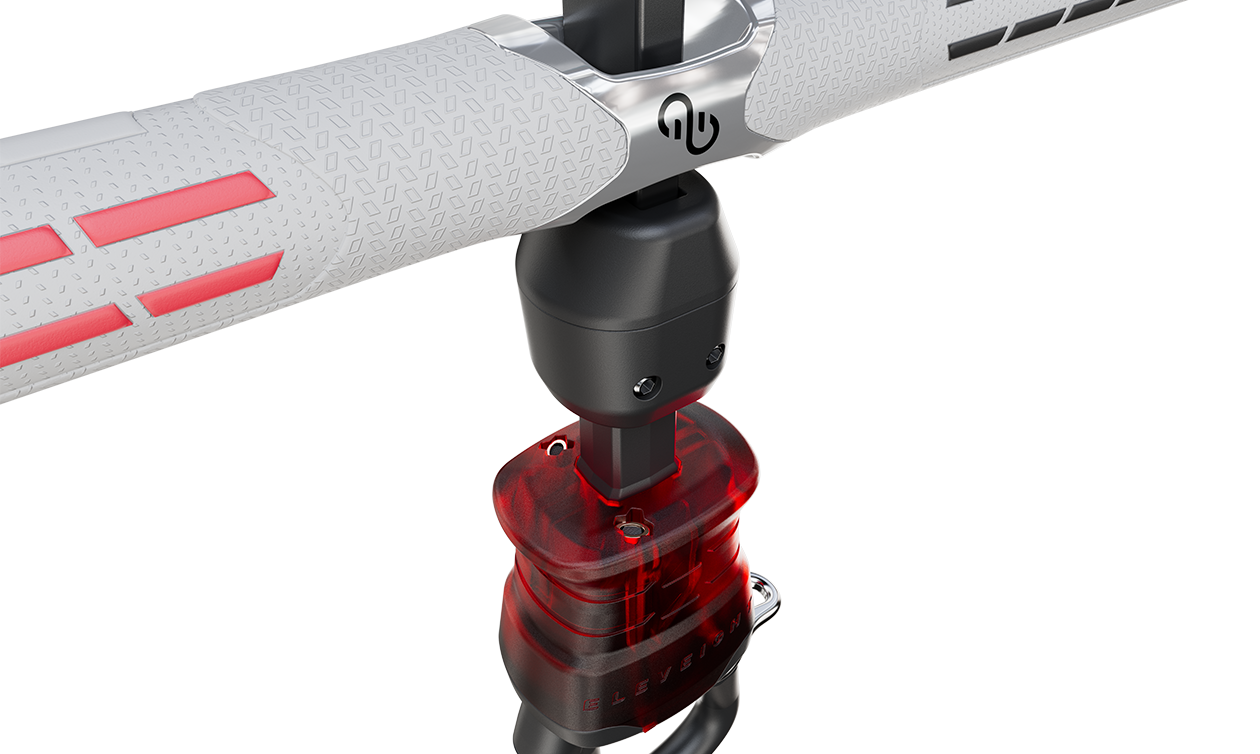
The CS Auto Bar also features our latest Quick-Matic III quick-release system. Reassembly is extremely simple: there is no need to lift or pull back a cuff – simply click it back together, similar to fastening a seatbelt. For the latest generation, we have also made several mechanical improvements to further increase reliability and durability over long-term use.
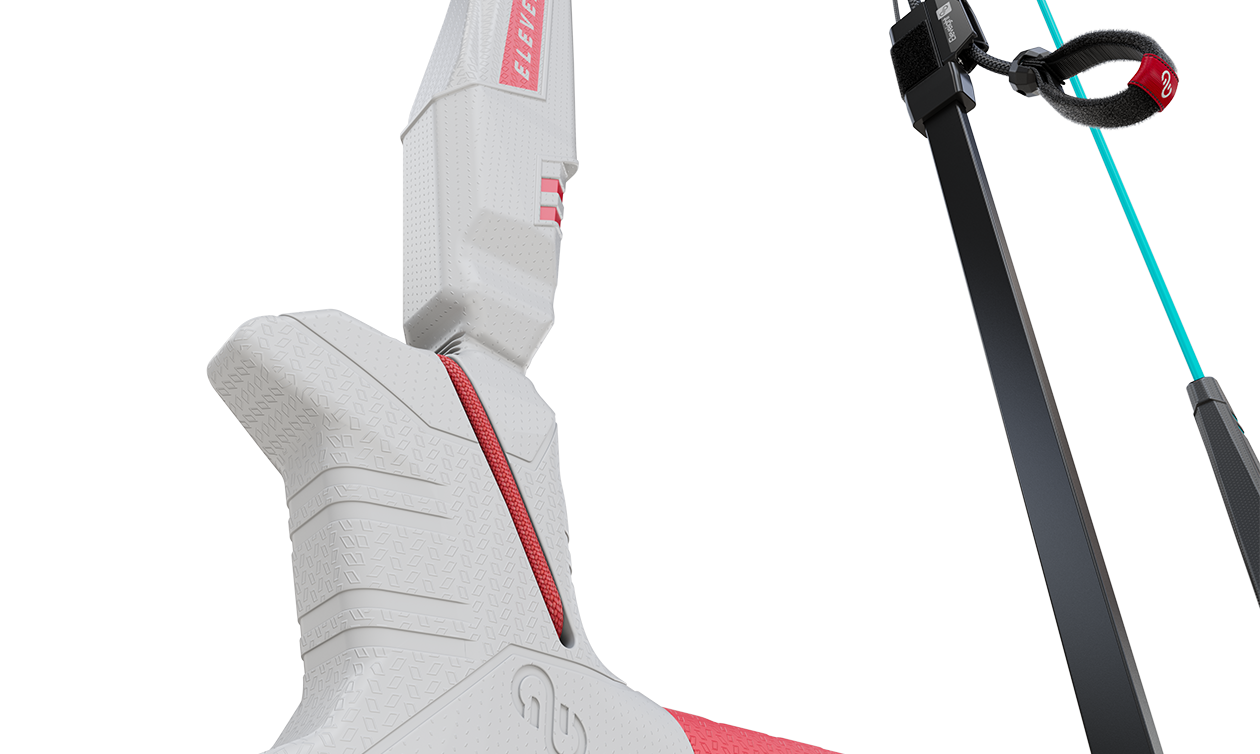
For the CS Auto’s grip, we use a double-layer EVA construction. Instead of simply embossing the grip pattern into a single EVA layer, two layers of EVA are combined with a precision die-cut pattern. This creates a secure and comfortable grip while helping to reduce hand fatigue during longer sessions.
Often overlooked, the lines are one of the most crucial components of any kite bar. We use high-quality, thermo-coated SK99 lines made in Germany. We have trusted these lines for years because they deliver excellent strength, minimal stretch and outstanding durability.
You mentioned you’ve made improvements to the Quick-Matic quick release. What other changes have you made to this new version of the CS Auto?
The main updates for the new bar include a redesigned center piece, which reduces wear on the depower TPU tube and provides a very smooth steering feel while riding.
We also focused on developing a new double-layer EVA grip. Grip is essential and needs to perform equally well in warm and cold conditions. The two EVA layers create a slightly softer, more comfortable and grippier feel compared with conventional single-layer systems.
The lines remain the same high-quality specification as in previous years, but we introduced a new color coding system. This makes it easier to identify and untangle the lines during rigging.
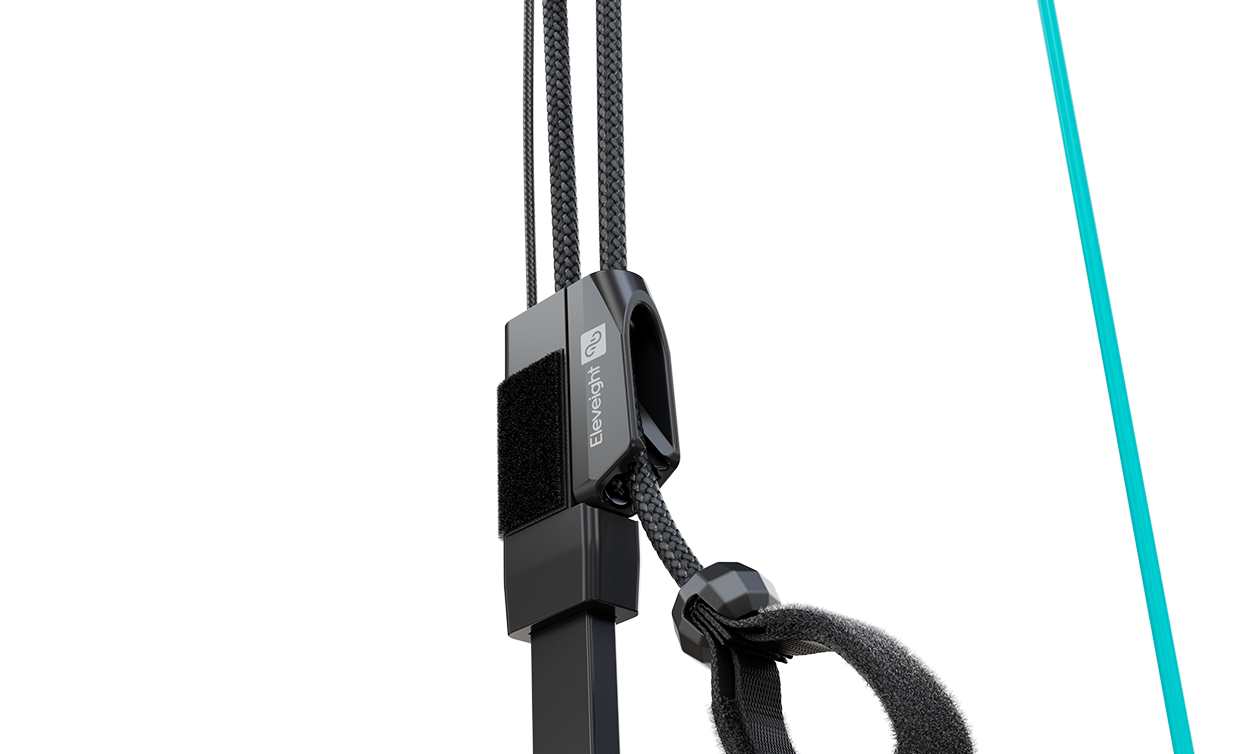
You can now also choose between three different chicken loop options. The bar comes as standard with our regular-length loop, while an XS loop and an extra-short, slider-friendly wave loop are available separately.
Tell us more about the quick release and flagging system.
The Quick-Matic quick release has been part of our development since 2018. We were among the first brands to introduce a simple click-in system, a concept that has since become widely adopted across the kite industry. Operation is straightforward: to activate the release, you simply push the cuff away. Once released, the kite flags out on a single front-line safety system. This immediately depowers the kite and allows it to fall gently from the sky, providing a controlled loss of power while helping to protect the kite’s construction.
Another important feature is our square dual-cavity tube, which integrates the depower and safety lines while keeping them physically separated. The safety line runs through its own dedicated channel, reducing friction, wear and the risk of tangling inside the TPU tube.
Resetting the system is equally simple. Once you have recovered the bar and checked that the lines are clear, you simply click the chicken loop back into place and you are ready to go again. All our safety systems are tested according to recognized safety standards.
What widths does the CS Auto come in? And do you offer different line lengths or extensions?
The CS Auto Bar is available in two sizes: 48cm (Small) and 53cm (Large). Bar width is partly a matter of personal preference, but as a general guideline we recommend the 48cm bar for kite sizes up to 10m and the 53cm bar for sizes above 10m.
The standard line length is 22m plus leader lines. For larger kite sizes such as 14m and 17m, we also offer 3m line extensions to increase the effective wind window and power generation. For riders who prefer a more direct and responsive setup, we also offer shorter line options starting from 15m and 12m. Shorter lines create a smaller wind window, resulting in quicker kite response, faster and tighter loops, and a more direct bar feel. These setups are also popular with kite schools and riders who prefer reduced power and more control.
Who was involved with the redesign and testing of this third CS Auto and what did any of your riders have to say about it?
The CS Auto Bar V3 is an evolution of the V2 concept. Over the past years, we collected a lot of feedback from our team riders, customers and shops, and used this as the blueprint for the new version.
One of the key requirements from our team riders was very smooth and unrestricted bar movement. Larger depower tubes can sometimes create more friction and feel slightly stiff, particularly during extreme maneuvers such as powered loops or fast steering movements in wave riding. To make sure the bar remains smooth in these situations, we redesigned the center piece of the bar stick and also optimized the diameter of the square TPU tube.
The second important area of feedback was the request for different chicken loop lengths. Different riding styles, body sizes and arm lengths require different setups, so we introduced several loop options. This feedback came particularly from the market and our retail partners, where riders were looking for more choice and a setup better adapted to their individual riding style.
What else is cooking at Eleveight HQ at the moment?!
We are in the final stages of our 2027 lineup, and the R&D team has been extremely busy over the last few months updating and developing the range.
One of the key projects is our new RS Pro kite. Last week, we released the new WFS Pro V3, our first wing featuring the new welded ALUULA® construction. This technology, called Polyfusion®, will now also be introduced into our Pro kite range, and the first results have been very promising.
We are also working on a completely new wave kite. Eleveight has a strong heritage in wave riding, and we wanted to develop a kite that is 100% dedicated to pure wave performance. Development is progressing well, and we are targeting a release around April 2027. ■

You can get the latest goodness from the world of kiteboarding by subscribing to our print edition. You'll get 5 packed issues, plus a free tee and free digital access. And you'll be directly helping with our sustainability efforts too!
Check it out now