And what about the board’s construction?
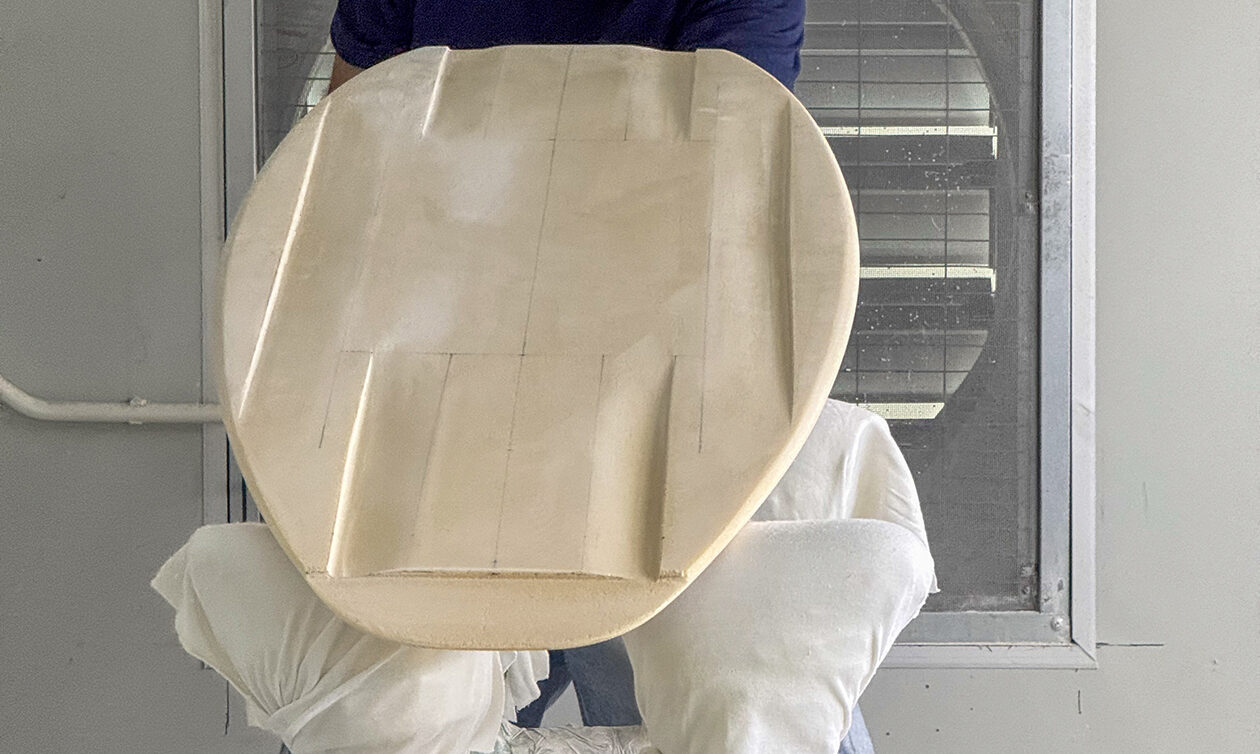
The construction is bombproof. It’s full carbon with a high-end PVC core, which is definitely more expensive and much more time-consuming to build compared to an old-school pressed twintip with plastic rails. We tested the boards for over a year in multiple conditions to make sure they would last.
What’s the fin setup? Did you test any other fin configurations?
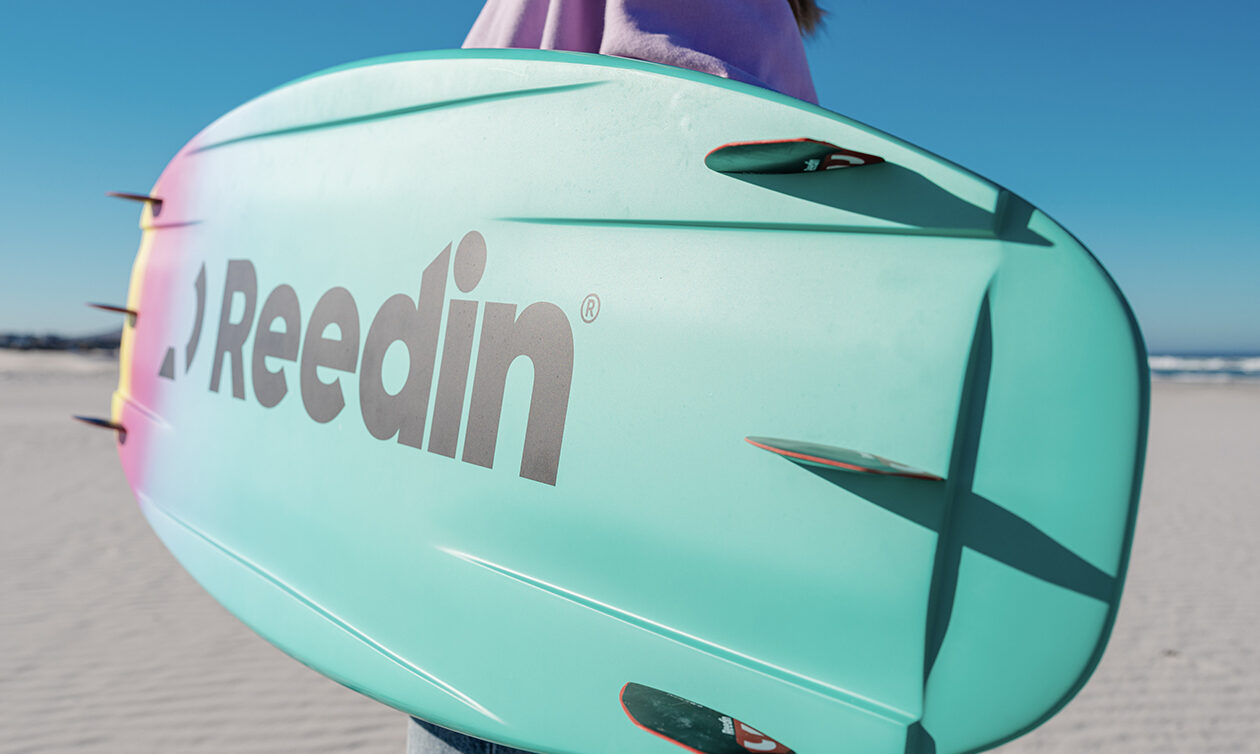
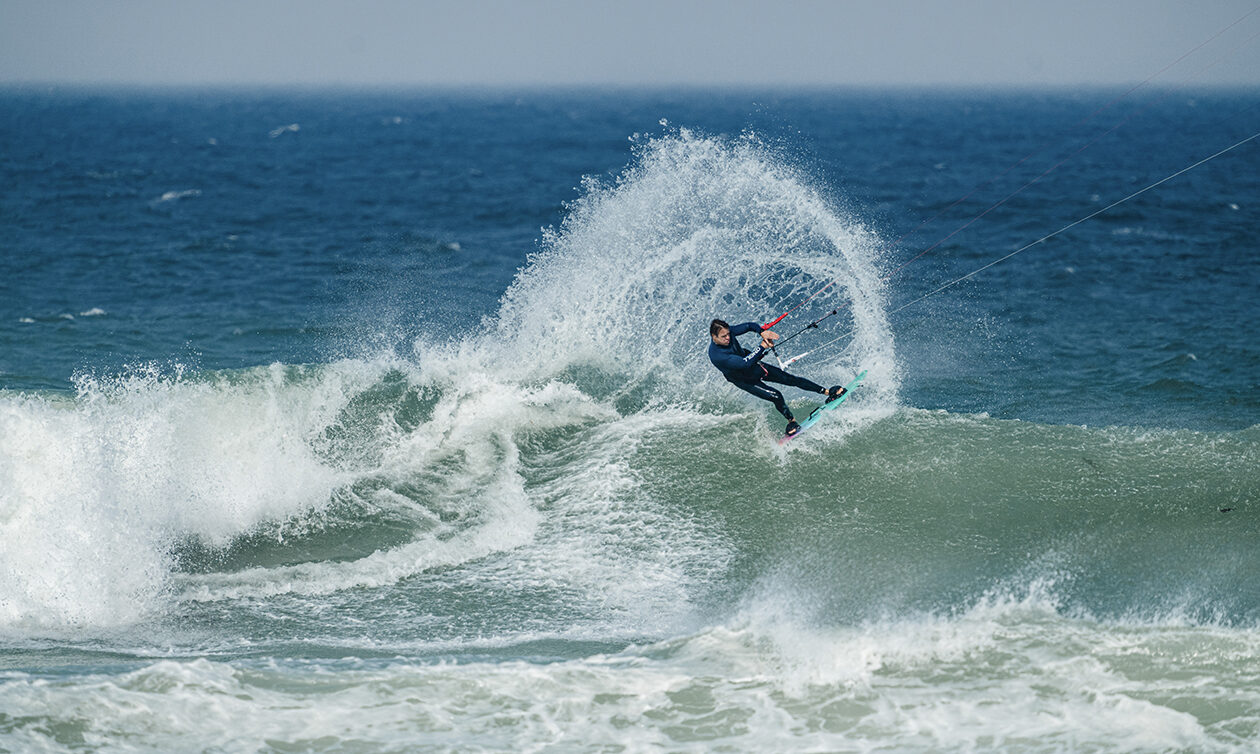
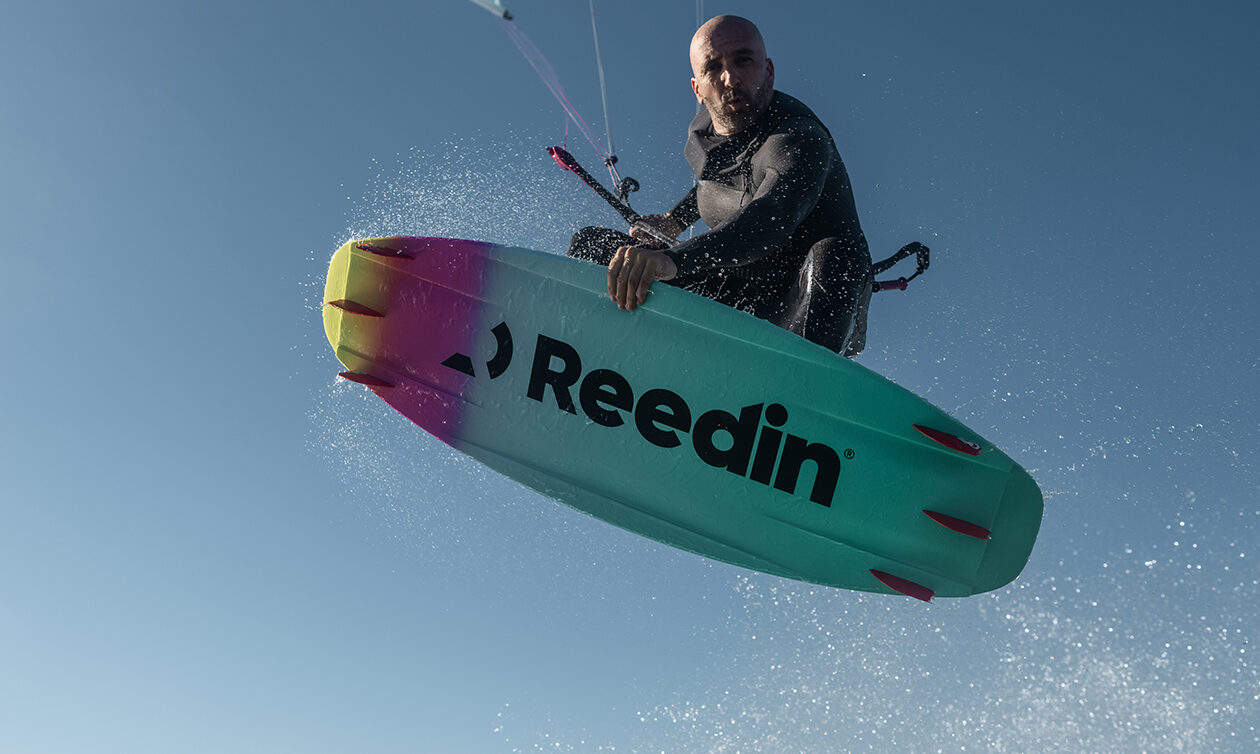
The fin setup is a tri-fin on each tip. And yes, we tested multiple shapes and configurations. Our first setup was actually made with Futures boxes and mini surf-style fins, but in the end our proven twintip fins worked best. Then came the question of two versus three fins on each tip. For classic twintip riding, two fins provide plenty of grip. Where the third center fin really makes the difference is when you hit a wave on a top turn with the board almost flat against the lip. That extra fin gives you the drive needed to push as hard as you want with full confidence.
You have three sizes that are neither regular twintip nor wave board dimensions – how should a rider pick the right size?
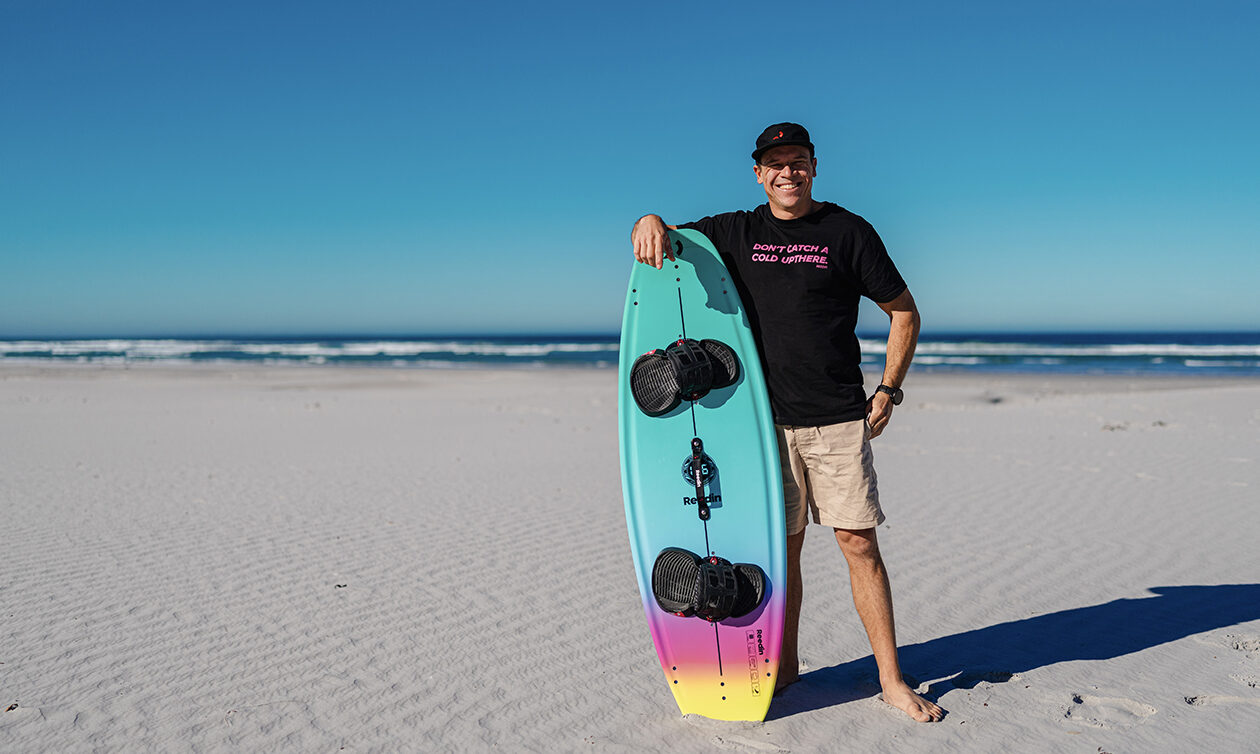
We have a 142, 146 and 150, with the size measured from tip to tip. However, your actual wet surface is shorter than this. On each tip there is a step that transitions into a spatula. The step is technically the tail of the board, while the spatula acts as the nose and is there to prevent pearling. To pick your size, you want to go about 8 to 12cm longer than the twintip you are used to riding. In practice this translates roughly to riders of 55 to 70kg on the 142, 70 to 90kg on the 146, and 90kg and up on the 150.
We hear you ran a SnackPack competition in Cape Town. Tell us more!
To be honest, I feel like we have way too many subcategories of kite competitions. Our sport is not big enough to justify so many different competitive disciplines in my opinion, and competitions have become quite disconnected from how the average kitesurfer actually rides. When I competed at King of the Air on Maui back in 2005, I was told by the head judge that I had lost my heat against Robby because I hadn’t ridden waves on the way back in, while Robby had. Spoiler: waves were not supposed to be judged. When I went into the repechage, I was jumping on the way out and riding waves on the way in, and I had the best time of my life. That day has stayed with me ever since. So naturally, when SnackPack showed its ability to ride waves and jump so well, I wanted to revive that feeling.
The concept started as a contest where you’d get points for jumping on the way out and wave riding on the way in. Then, taking inspiration from how snowboarders and skateboarders compete by running full lines where they link jumps, tricks and rails, I thought we should combine the two into a whole new format. Each rider gets a one-to-two-minute run where they are judged on how well they use the conditions, covering jumping, wave riding, transitions and landing combos, whether jump to wave or wave to jump. Each rider takes a turn alone, so they have the judges’ undivided attention, and receives a score from 0 to 100. They get two runs, with the best one counting toward the overall ranking. The top four then get another two runs to decide the winner.
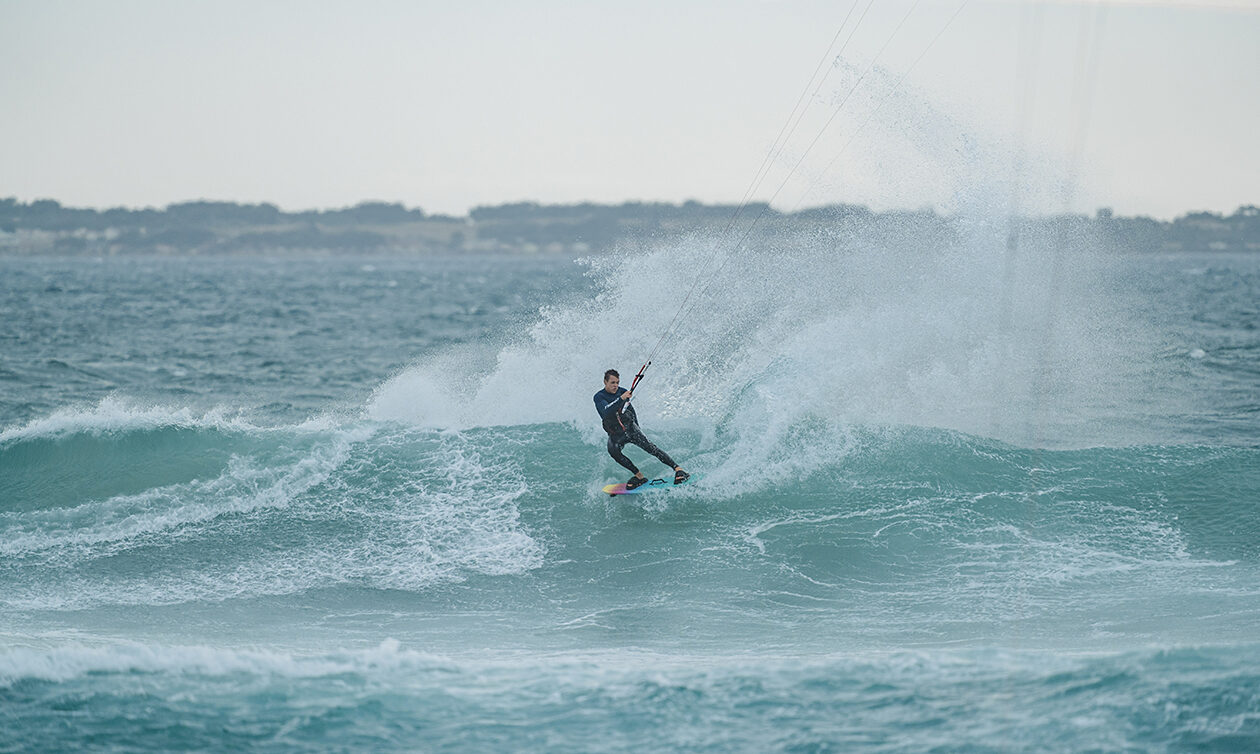
We ran a trial of this concept with our riders this past February in Cape Town and I was really stoked on the result. Watching Kevin launch off a kicker, throw a big jump, land on the next wave and rip it all the way to shore with multiple turns and airs off the lip was just mind-blowing! It was really entertaining to watch and a lot of fun to compete in. I feel like one big advantage of running competitions this way is that you don’t necessarily need 35+ knots, since the goal is simply to use whatever conditions you’re given to the maximum.
What else has been happening at Reedin HQ?!
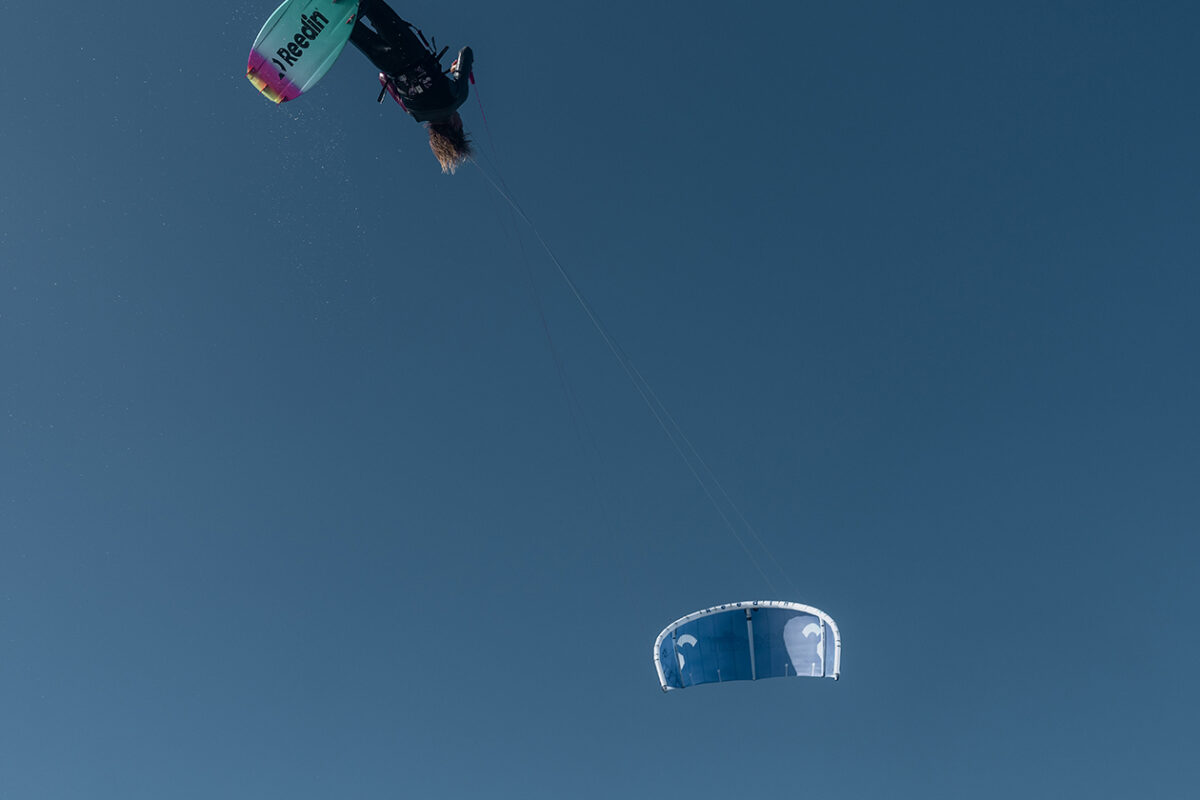
We are working non-stop on new designs to make kiting even more fun and accessible. Have you seen the jump Marius did on MasterModel, and how well the kite was responding when he was over 40 meters up in the air? Or how much fun we are having in no wind with WhisperModel? This is what it’s all about for us: designing and making gear that gets people on the water more often and with a bigger smile on their face! ■