Tell Me About It: Ride Engine Charger Water Helmet
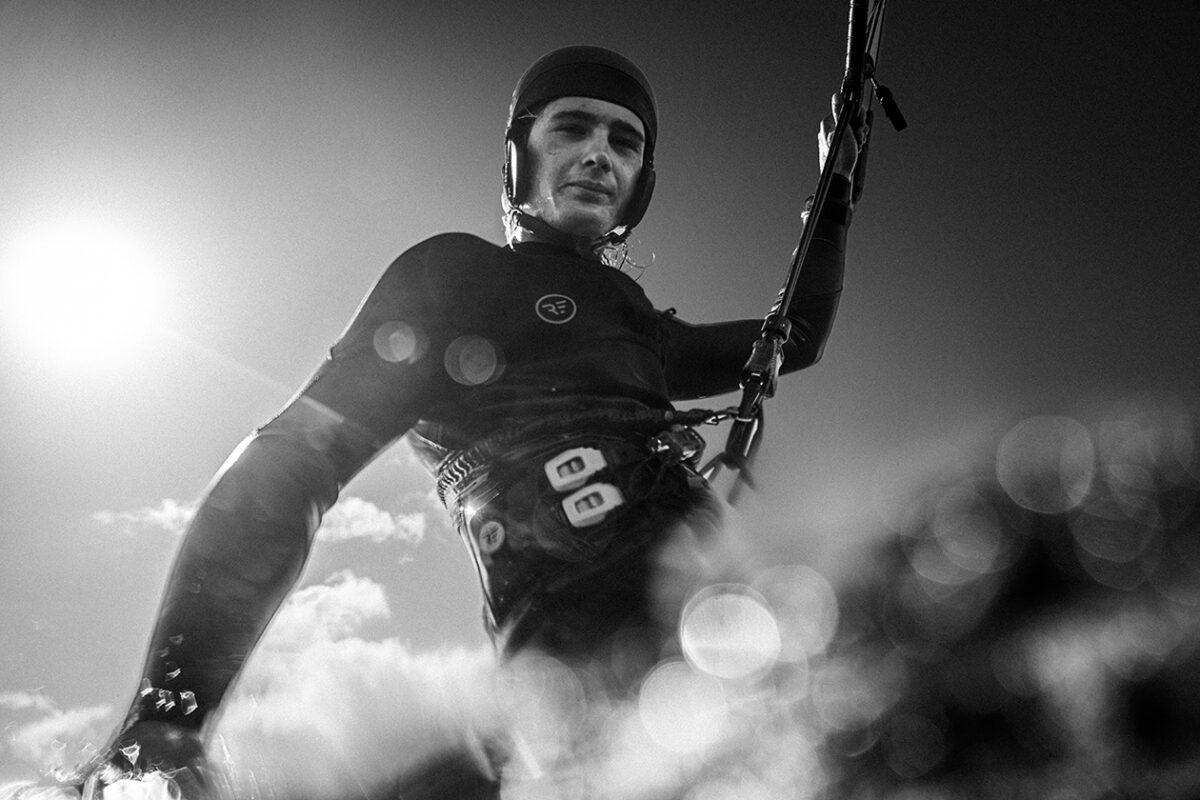
Ride Engine are on a mission to protect more of our precious skulls. So we got designer Gary Siskar on the line to ask about their new helmet that’s been in the R&D lab for over two years.
When you purchase gear through links on our site, we may earn a small commission. Here’s why you can trust our tests and our affiliate partner.
Ride Engine are on a mission to protect more of our precious skulls. So we got designer Gary Siskar on the line to ask about their new helmet that’s been in the R&D lab for over two years.
What were the specific challenges of designing a helmet that provides CE-approved protection while remaining lightweight for water use?
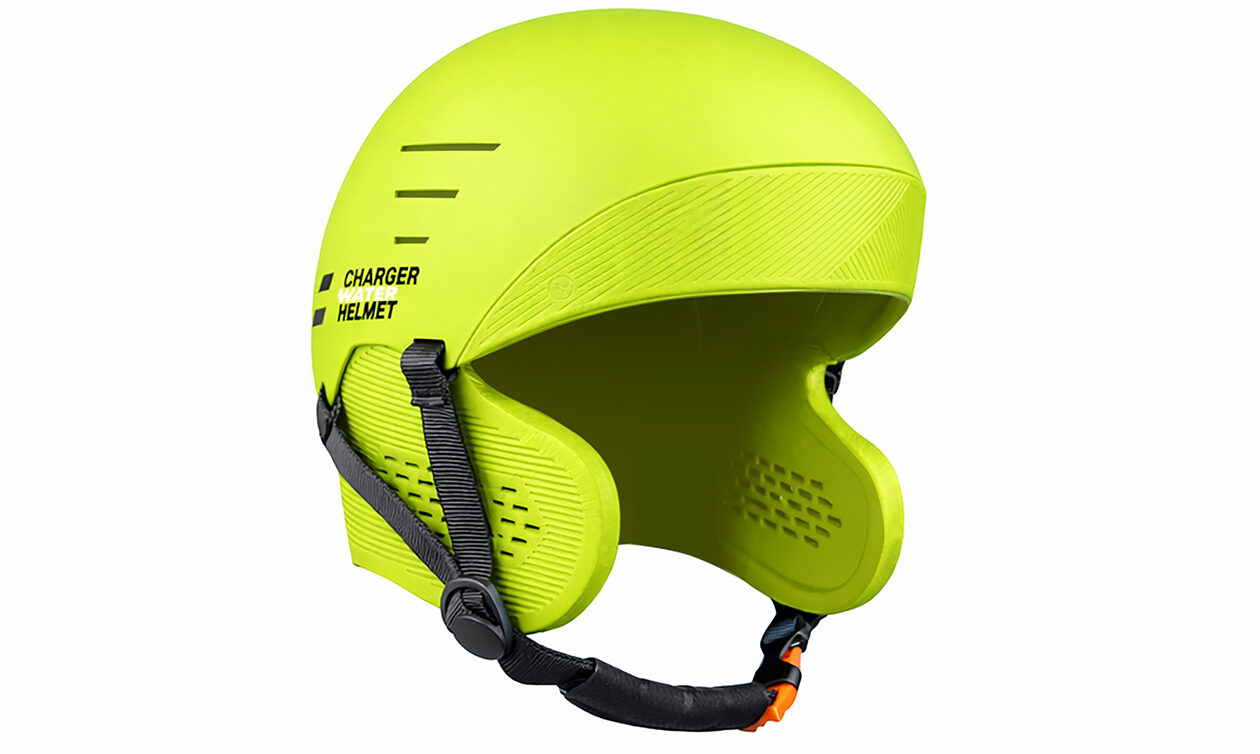
We approached the development of the Charger Water Helmet with several very specific performance parameters from the beginning. First and foremost was protection. The helmet needed to provide reliable protection against hard object impacts, whether from a board, foil, the ground or a reef, while still maintaining CE-certified impact standards. At the same time, we wanted the helmet to remain close fitting and low volume so it could penetrate the water during crashes without creating excess resistance or torque on the neck.
The second challenge was weight. Dynamic water sports often involve long sessions, so the helmet had to be light enough that riders would not feel fatigued or restricted over time.
Finally, we focused on fit. We designed a highly customizable fit system that allows the user to fine tune the internal padding to achieve a precise, stable fit. When that close fit is combined with the helmet’s lightweight construction, the result is a helmet that feels natural and unobtrusive, allowing complete focus on the session rather than the equipment that is worn.
What materials are used in the helmet?
The Charger uses a carefully selected material composition that balances impact protection, durability and weight. The outer shell is constructed from injected nylon, which provides excellent structural strength and impact resistance while keeping the overall profile lightweight and low volume. This material allows the helmet to meet CE-certified protection standards while maintaining the durability required for harsh marine environments.
Inside the helmet, we use a full piece internal lamination of impact absorbing EVA that extends lower around the neck and into the face area. This design provides additional protection against glancing blows from equipment such as hydrofoils or boards.
A key advantage of this system is its adaptability. The EVA protection can be customized by the rider to match their specific discipline and comfort preferences. This level of customization allows the Charger to adapt to a wide range of riding styles while still delivering reliable impact protection.
Tell us more about how riders are able to customize the fit.
The Charger is unique in the fact that it almost offers infinite customization options. It offers a highly adaptable fit system designed to accommodate a wide range of head shapes while maintaining stability in dynamic conditions. To achieve this, the helmet includes 3mm and 6mm impact EVA pads that can be placed in key internal areas. Each pad is shaped to match specific sections of the helmet interior, allowing riders to fine tune the fit by adjusting the front, back, sides and top. Because every head shape is different, some more round, others more oval, this system allows the user to take up space where needed to create a precise and stable fit.
In addition to the internal pads, the extended impact EVA that sits below the helmet shell can also be customized. This material can be trimmed to suit a preferred balance of protection and comfort. For example, riders focused on prone foiling or long paddling sessions may choose to remove a small portion of the rear neck EVA to increase comfort while paddling. Kiters focused on Big Air sometimes trim portions around the ears or face to reduce wind noise, since their primary concern is protection from board impacts or high speed contact with the water.
This level of adjustability allows anyone to tailor the Charger to their discipline while maintaining the closefitting, stable performance that is essential in fast-moving water environments.
Talk us through how the helmet’s shape helps mitigate neck injuries during high-speed crashes.
One important consideration in the Charger’s design is how a helmet interacts with water during a crash. Many riders do not realize that at speed, water behaves much more like a solid surface. Helmets with a bulky “skate” or “kayak” style profile can create drag when they hit the water, which may place additional torque on the neck during impact.
The Charger was designed with a close fitting, low profile shape that promotes clean penetration of the water rather than grabbing or resisting it. By allowing water to flow smoothly around the helmet, the design reduces the forces that can be transferred to the neck during high-speed crashes.
This hydrodynamic profile also offers advantages in surf environments. When duck diving or when caught inside, the helmet allows water to move around it rather than pulling or shifting on the head. The result is a helmet that remains stable and in place in moving water, which contributes to both comfort and safety in dynamic conditions.
Do you believe the Charger could help convince riders who don’t wear helmets to finally don one?!
I certainly hope so. Dynamic water sports such as surfing, kiting and foiling have been some of the last sports to fully adopt helmets. However, that is beginning to change. In surfing especially, more high-profile professional athletes who have experienced head injuries are now speaking openly about the benefits of wearing a modern helmet designed specifically for dynamic water sports.
We have seen this progression in other sports as well. In snowboarding and skiing, helmet adoption started slowly, but over time they became widely accepted and are now common, and in many places required. As equipment improves and riders recognize the performance and safety advantages, wearing a helmet simply becomes part of the sport.
Our goal with the Charger was to remove many of the barriers that kept foilers, kiters and surfers from wearing helmets in the past. By focusing on lightweight construction, a close hydrodynamic fit, and a highly customizable system, the helmet feels natural during a session. My belief is that as more athletes that participate in the sports we love experience that level of comfort and performance, wearing a helmet will feel less like a compromise and more like standard equipment. Before long, forgetting your helmet before a downwind run, a kitefoil exploration, or a Big Air session may feel just as strange as forgetting your board.
Wise words! So what else have you got going on at HQ? Our eagle-eyed readers probably spotted your new electric pump on our ‘Stuff’ page.
It has been a busy winter for us at Ride Engine. For sure a huge highlight is the release of the Air Box Mini. It builds on the original Air Box platform with meaningful improvements, including longer lasting battery capacity for more inflation cycles, faster inflation speeds, and all of it packaged into a smaller, more travel friendly design.
Beyond that, we have been spending a lot of time on the road working directly with our athletes and development teams. We have been collaborating with our Big Air squad in Tenerife and working closely with our foil crew in Maui and La Ventana, Baja. Those environments give us the opportunity to test products in very different conditions, from strong wind Big Air sessions to long foil and downwind runs.
That combination of travel, athlete feedback, and time in the water is where many of our best product ideas take shape, so it has been a productive and exciting period for the team at HQ and we are so stoked! ■

You can get the latest goodness from the world of kiteboarding by subscribing to our print edition. You'll get 5 packed issues, plus a free tee and free digital access. And you'll be directly helping with our sustainability efforts too!
Check it out now