Two of the boards contain carbon. How have you used this most effectively.
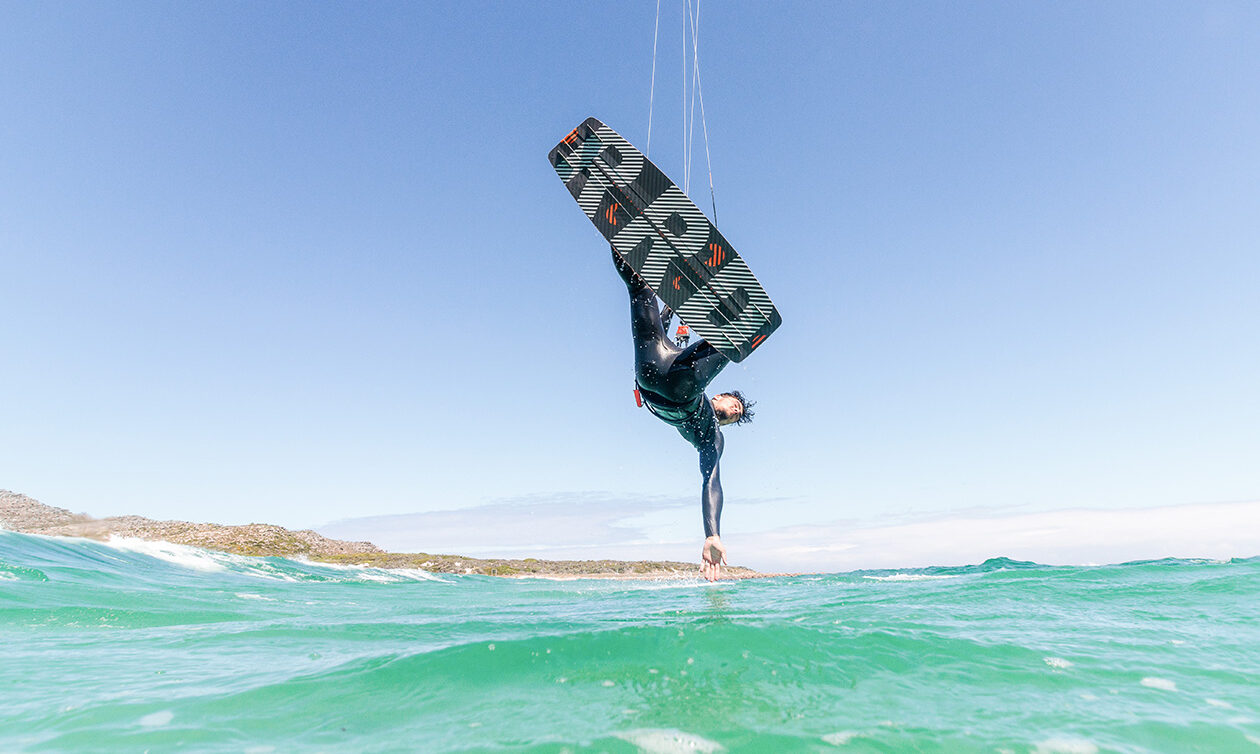
The Booster has a full carbon construction. This is where performance is pushed to the limit. Carbon makes the board extremely light, reactive and explosive. Every movement is transferred instantly, giving maximum pop and precision. The Poison has strategic carbon reinforcements and features carbon only in key structural areas, where reactivity and strength are essential. This targeted use of carbon increases pop, improves durability under load, and keeps the board responsive, without making it too stiff. The result is a perfect balance between explosive freestyle performance and comfort in freeride.
We love the new graphics on the boards! What are the other changes to the latest versions?
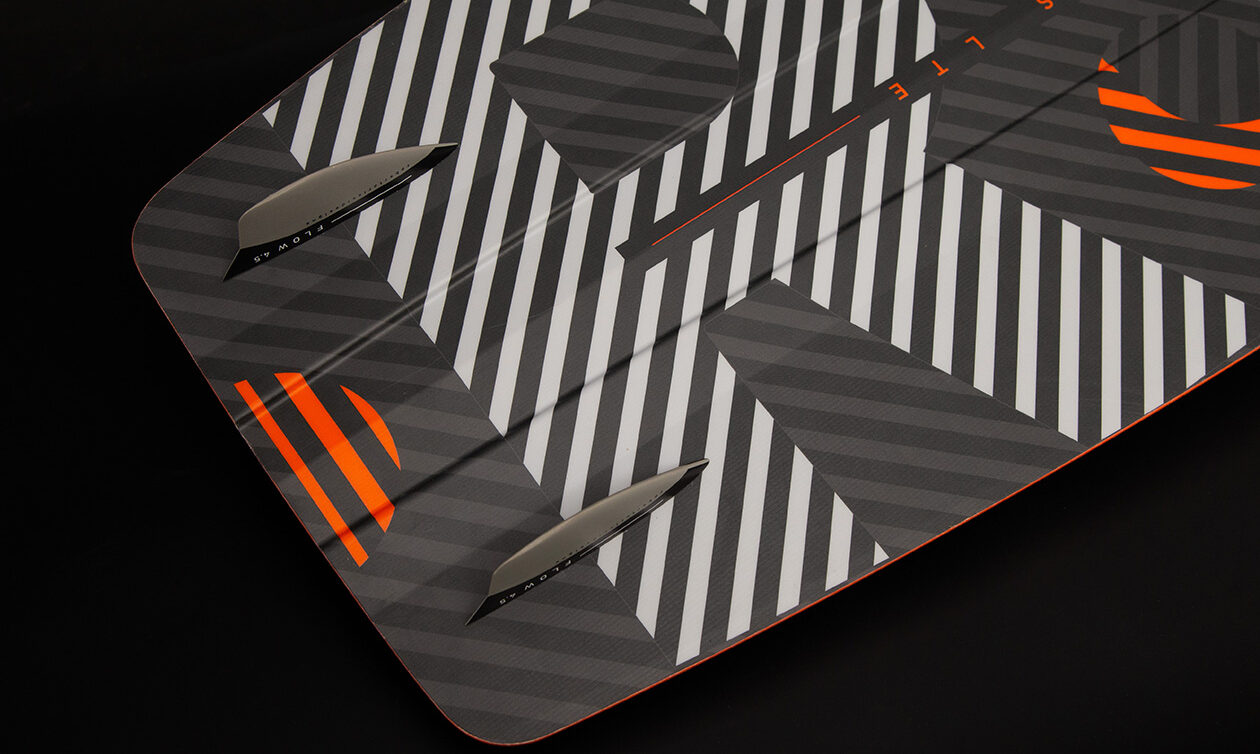
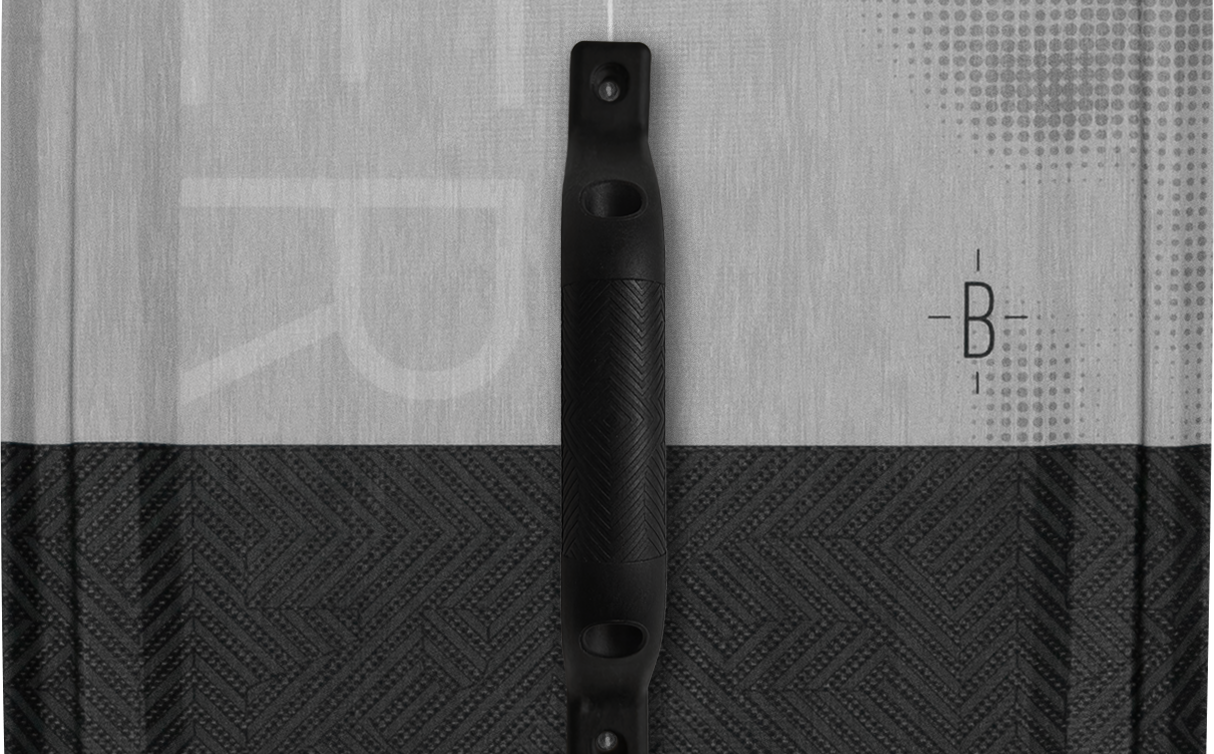
The new Y31 graphics are not just about aesthetics. They reflect a cleaner, more modern identity across the range. But beyond the visuals, the real evolution is in the details. The boards now have refined flex patterns for better comfort and performance, improved durability through reinforced constructions, optimized channel layouts for better grip and control, and we have finetuned the rocker lines and outlines. Every year, small adjustments add up to a noticeable improvement on the water.
Who has been involved in designing and testing the latest boards?
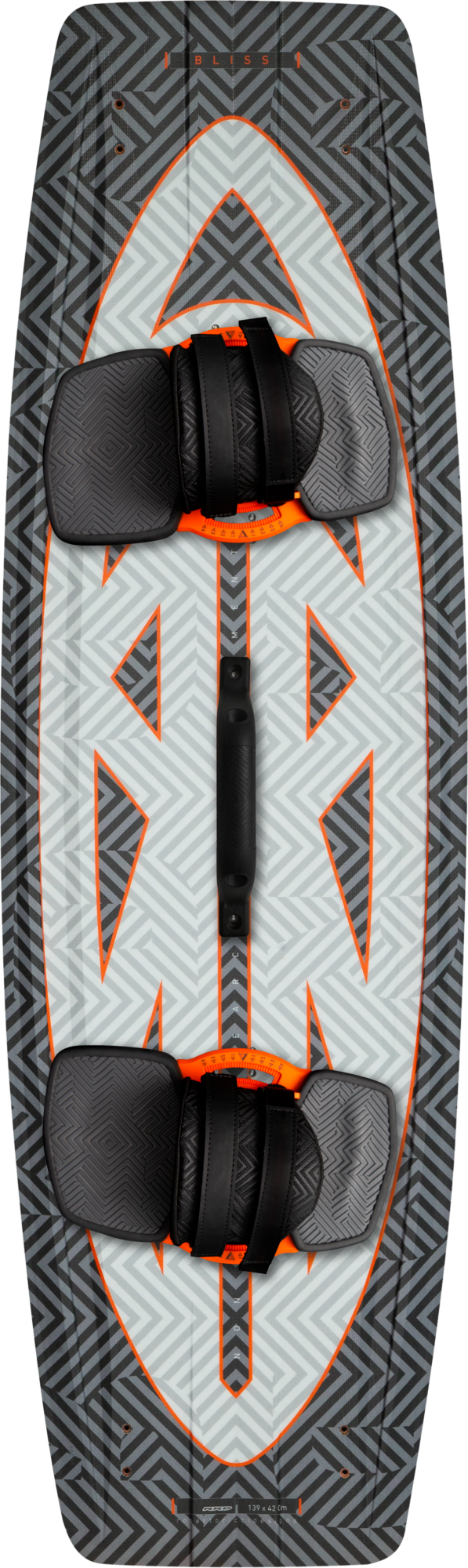
Each board is the result of a deep collaboration between designers, engineers and riders. At the core of the development is Werther Castelletti, working closely with the RRD team and international riders. But what really defines each board is the direct input from the athletes who push them to the limit every day. The Booster has been developed together with Adriaan Louw, our Big Air and short-line specialist, who helped finetune the board for maximum height, explosive pop, and total control in extreme conditions. The Poison has been developed in collaboration with Carl Ferreira, focusing on delivering the perfect balance between freestyle performance and freeride versatility. Carl has also collaborated on the development of the Bliss, contributing to its efficiency, control and smooth feel in all conditions. The Crank has been developed in close collaboration with our centers and schools, where it has been tested for a full year before going into production. This real-world testing ensured maximum accessibility, durability and ease of use for riders at every level. Pro athletes, test riders, and team members spend countless hours on the water in all kinds of conditions, from flat water to extreme storms.
So the entire RRD family can be proud of the achievements in the Y31 range!
The Y31 range represents a clear step forward in refinement, not just in performance but also in clarity of purpose. Each board now has a more defined identity, making it easier for riders to immediately understand which model fits their style and conditions. Across the entire range, comfort has been noticeably improved, especially in choppy water where control and smoothness make the biggest difference. At the same time, durability and long-term resistance have been enhanced, ensuring consistent performance season after season without compromise. Despite these individual evolutions, the range maintains a strong family feeling. Every board is different, yet they all share a common DNA in terms of feedback, response and overall ride quality.
Looking beyond the current lineup, we are also revisiting some of our historical design concepts with fresh eyes. Ideas that were ahead of their time, such as the Toxic Wave projects, are coming back into discussion within the development team. These boards were originally designed as a hybrid idea between a twintip and a directional board. The concept was simple but innovative: a twintip-shaped board that is ridden predominantly in one direction. This allowed riders to combine the familiar stance and accessibility of a twintip with the directional control and stability of a wave-style board. Today, this concept feels more relevant than ever, especially in Mediterranean conditions where chop, irregular swell, and variable wind are part of every session. In these environments, having a board that offers extra control and comfort while maintaining twintip simplicity could open up a completely new riding experience. This is exactly the direction of our R&D philosophy: not only pushing forward with new designs, but also reinterpreting past ideas through modern technology and current riding needs. ■